

Understanding the complexities of women and mental health requires examining biological, psychological, and social factors that uniquely influence female mental wellness. Research consistently demonstrates that women face distinct mental health challenges throughout their lifetimes, from adolescence through menopause and beyond. The intersection of hormonal fluctuations, societal expectations, trauma exposure, and caregiving responsibilities creates a multifaceted landscape requiring specialized attention and evidence-based interventions.
Understanding Gender-Specific Mental Health Challenges
Women experience mental health conditions differently than men, both in prevalence and presentation. According to research on women’s mental health, females are approximately twice as likely to experience depression and anxiety disorders compared to their male counterparts. This disparity emerges during puberty and persists throughout reproductive years.
Biological Factors Influencing Mental Wellness
Hormonal fluctuations significantly impact women and mental health across the lifespan. Key biological influences include:
- Menstrual cycle variations that affect mood regulation and emotional stability
- Pregnancy and postpartum periods creating vulnerability to perinatal mood disorders
- Perimenopause and menopause triggering increased anxiety and depressive symptoms
- Thyroid dysfunction occurring more frequently in women and affecting mental state
- Autoimmune conditions with higher female prevalence impacting neurological function
Estrogen and progesterone levels directly influence neurotransmitter systems regulating mood, cognition, and stress response. When these hormones fluctuate dramatically during menstruation, pregnancy, or menopause, women become more susceptible to mental health challenges. Professional evaluations, such as those provided through comprehensive developmental disorders assessments, can identify underlying biological contributors to psychological symptoms.

The relationship between physical and mental health becomes particularly evident when examining chronic conditions. Women managing ongoing physical health challenges often benefit from integrated approaches that address both body and mind. Complementary therapies like massage therapy can reduce stress hormones and support overall mental wellness by addressing physical tension that contributes to anxiety and depression.
Social and Cultural Pressures
Societal expectations create unique stressors affecting women and mental health. Women frequently navigate multiple demanding roles simultaneously as professionals, caregivers, partners, and community members. This pressure to excel in all domains while maintaining unrealistic standards creates chronic stress and burnout.
Cultural factors contributing to mental health challenges include:
- Workplace discrimination limiting career advancement and financial security
- Body image pressures perpetuated through media and social platforms
- Caregiving expectations for children, aging parents, and family members
- Gender-based violence including domestic abuse and sexual assault
- Economic inequality resulting in financial stress and limited resources
The Office on Women’s Health discusses body image and mental health, highlighting how negative self-perception contributes to eating disorders, depression, and anxiety disorders. Women internalize societal beauty standards from early ages, creating lifelong struggles with self-worth and identity.
Common Mental Health Conditions Affecting Women
Several mental health conditions demonstrate higher prevalence rates in women, requiring specialized understanding and treatment approaches. Recognizing these gender-specific patterns enables more effective intervention strategies.
Depression and Anxiety Disorders
Major depressive disorder affects approximately one in eight women during their lifetime. Female depression often presents with specific characteristics:
- Atypical symptoms including increased sleep, appetite changes, and heavy feelings
- Rumination patterns involving repetitive negative thought cycles
- Comorbid anxiety creating complex diagnostic and treatment challenges
- Seasonal variations with symptoms worsening during darker months
- Somatic complaints manifesting psychological distress through physical symptoms
Anxiety disorders, including generalized anxiety disorder, panic disorder, and social anxiety, similarly impact women at higher rates. These conditions frequently co-occur with depression, creating compound effects on daily functioning and quality of life. Understanding attention and executive function through specialized executive function assessments can clarify how anxiety interferes with cognitive performance.
Perinatal Mental Health Conditions
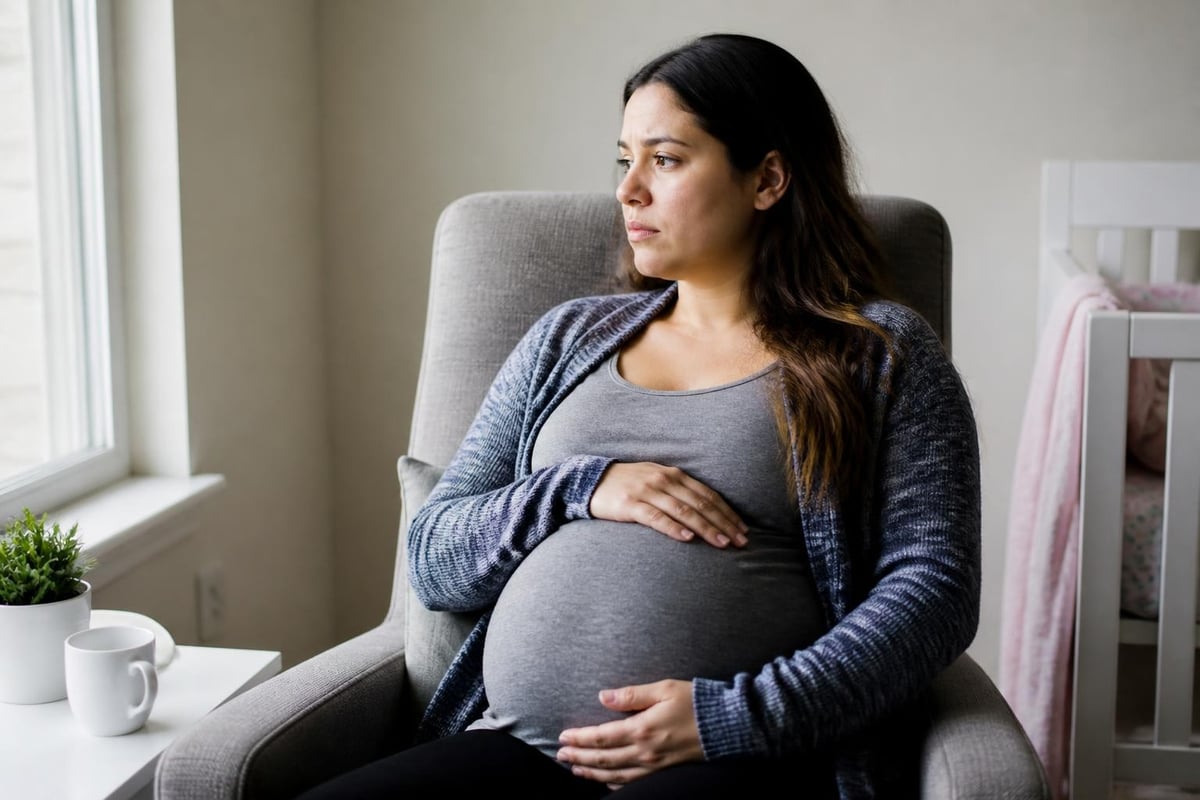
Pregnancy and the postpartum period represent particularly vulnerable times for women and mental health. Perinatal mood and anxiety disorders affect up to 20 percent of new mothers:
| Condition | Timing | Key Symptoms | Prevalence |
|---|---|---|---|
| Postpartum Blues | 2-14 days after delivery | Mood swings, crying, anxiety | 50-80% |
| Postpartum Depression | Within first year | Persistent sadness, guilt, withdrawal | 10-20% |
| Postpartum Anxiety | Within first year | Excessive worry, panic, intrusive thoughts | 11-21% |
| Postpartum Psychosis | First 2 weeks | Delusions, hallucinations, confusion | 0.1-0.2% |
These conditions require immediate professional intervention to protect both maternal and infant wellbeing. The National Institute of Mental Health provides research updates on emerging treatments for perinatal mental health conditions, including innovative therapeutic approaches and medication considerations during pregnancy and breastfeeding.
Trauma-Related Disorders
Women experience higher rates of certain trauma types, particularly interpersonal violence, leading to increased PTSD prevalence. Sexual assault, domestic violence, and childhood abuse create lasting psychological impacts requiring specialized trauma-informed care.
Trauma affects women and mental health through multiple mechanisms:
- Altered stress response systems creating hypervigilance and emotional dysregulation
- Dissociative symptoms serving as psychological protection mechanisms
- Relationship difficulties stemming from trust violations and attachment disruptions
- Substance use patterns developing as self-medication strategies
- Physical health consequences including chronic pain and autoimmune conditions
For individuals navigating immigration processes who may have experienced trauma, specialized assessments of issues facing immigrant and refugee families provide culturally sensitive evaluations addressing unique stressors and traumatic experiences.
Evidence-Based Treatment Approaches
Effective mental health treatment for women requires personalized approaches addressing biological, psychological, and social dimensions. Multiple evidence-based interventions demonstrate significant efficacy for female mental health conditions.
Psychotherapy Modalities
Several therapeutic approaches show particular effectiveness for women and mental health concerns:
Cognitive Behavioral Therapy (CBT) helps women identify and modify negative thought patterns contributing to depression and anxiety. This structured approach teaches practical skills for managing symptoms and preventing relapse. CBT adaptations specifically address female experiences including body image concerns, perfectionism, and relationship dynamics.
Interpersonal Therapy (IPT) focuses on relationship patterns and life transitions triggering mental health symptoms. Given women's emphasis on relational connections and frequent role changes, IPT addresses core issues affecting female mental wellness.
Dialectical Behavior Therapy (DBT) combines mindfulness, emotional regulation, distress tolerance, and interpersonal effectiveness skills. This approach benefits women experiencing emotional dysregulation, self-harm behaviors, or borderline personality disorder symptoms.
Trauma-Focused Therapies including Eye Movement Desensitization and Reprocessing (EMDR) and Prolonged Exposure Therapy help process traumatic memories and reduce PTSD symptoms. These specialized interventions address the high trauma exposure rates affecting women.
Medication Management
Psychopharmacological treatments require careful consideration of female-specific factors:
- Hormonal interactions affecting medication metabolism and effectiveness
- Pregnancy and breastfeeding safety considerations requiring specialized knowledge
- Menstrual cycle timing influencing optimal dosing strategies
- Menopause transitions necessitating medication adjustments
- Side effect profiles including weight gain and sexual dysfunction concerns
Women metabolize psychiatric medications differently than men due to hormonal influences, body composition differences, and enzymatic variations. Healthcare providers must consider these factors when prescribing antidepressants, anxiolytics, mood stabilizers, or other psychotropic medications.
Integrated and Complementary Approaches
Holistic treatment addressing women and mental health incorporates multiple intervention strategies:
| Approach | Benefits | Applications |
|---|---|---|
| Mindfulness meditation | Stress reduction, emotional regulation | Anxiety, depression, chronic pain |
| Exercise programs | Mood enhancement, sleep improvement | Depression, anxiety, body image |
| Nutritional counseling | Energy stabilization, gut-brain health | Depression, eating disorders |
| Sleep hygiene | Cognitive function, emotional stability | Insomnia, mood disorders |
| Social support groups | Validation, skill sharing, connection | Perinatal depression, trauma recovery |
Comprehensive mental health services recognize that effective treatment extends beyond traditional talk therapy and medication. For individuals navigating specific life challenges, specialized services like bariatric counseling address the psychological dimensions of significant health transitions.

Addressing Mental Health Across the Lifespan
Women and mental health needs evolve throughout different life stages, requiring developmental understanding and stage-appropriate interventions.
Adolescence and Young Adulthood
Mental health conditions frequently emerge during adolescence when biological maturation combines with increasing social pressures. Young women face:
- Identity formation challenges navigating multiple cultural and social expectations
- Academic pressures impacting self-worth and future opportunities
- Social media influences affecting body image and social comparison
- Early relationship experiences shaping attachment and interpersonal patterns
- Increased autonomy requiring decision-making and responsibility management
Early intervention during adolescence prevents chronic mental health conditions and establishes healthy coping patterns. When attention difficulties emerge, comprehensive ADHD evaluations clarify whether symptoms represent attention-deficit/hyperactivity disorder or anxiety-related concentration problems common in young women.
Reproductive Years and Motherhood
The reproductive years bring unique mental health considerations including:
- Fertility challenges creating stress, grief, and relationship strain
- Pregnancy planning requiring medication adjustments and risk assessment
- Perinatal period vulnerability to mood and anxiety disorders
- Postpartum adjustment balancing identity shifts and new responsibilities
- Work-family integration managing competing demands and role conflicts
Professional support during these transitions provides essential stabilization and skill development. Women navigating multiple life domains simultaneously benefit from stress management techniques and realistic expectation setting.
Midlife and Menopause Transition
Perimenopause and menopause significantly impact women and mental health through hormonal shifts and life transitions. Common experiences include:
- Mood fluctuations ranging from irritability to depressive episodes
- Anxiety intensification including new-onset panic symptoms
- Sleep disturbances affecting cognitive function and emotional regulation
- Cognitive changes perceived as memory difficulties or "brain fog"
- Identity reevaluation as reproductive capacity ends and roles shift
Women with previous mental health histories face increased vulnerability during menopause. Those experiencing first-time mental health symptoms during this period require thorough evaluation to distinguish menopausal effects from emerging psychiatric conditions.
Later Life and Aging
Older women face distinct mental health challenges often overlooked in clinical settings:
- Widowhood and loss creating grief and social isolation
- Chronic illness management affecting independence and quality of life
- Caregiver burden for spouses or adult children with health needs
- Economic insecurity particularly for women with limited retirement resources
- Physical health decline impacting mobility, autonomy, and self-image
Depression in older women frequently presents atypically with somatic complaints, cognitive difficulties, or decreased motivation rather than sad mood. Healthcare providers must remain vigilant for mental health symptoms in geriatric female populations.
Breaking Barriers to Mental Health Care
Despite high prevalence rates, many women delay or avoid mental health treatment due to multiple barriers. Understanding and addressing these obstacles improves access and outcomes.
Systemic and Structural Barriers
Healthcare system limitations affect women's mental health care access:
- Insurance coverage gaps limiting affordable treatment options
- Provider shortages particularly for specialized female mental health services
- Geographic disparities with rural areas lacking adequate resources
- Long wait times delaying urgent interventions
- Fragmented care separating physical and mental health services
The American Psychiatric Association’s Council on Women’s Mental Health advocates for improved access and specialized training addressing female mental health needs.
Cultural and Personal Barriers
Individual and cultural factors create additional obstacles:
- Stigma concerns fearing judgment from family or community
- Cultural beliefs viewing mental health problems as personal weakness
- Language barriers limiting communication with providers
- Childcare responsibilities preventing appointment attendance
- Privacy worries particularly in small communities
Women from diverse cultural backgrounds may face unique challenges accessing culturally responsive care. Services addressing immigrant and refugee families recognize how cultural context influences mental health expression and help-seeking behaviors.
Self-Advocacy Strategies
Women can overcome barriers through active self-advocacy:
Research treatment options using reliable sources including mental health publications covering depression, anxiety, and other common conditions. Understanding available treatments empowers informed decision-making.
Communicate clearly with providers describing symptoms completely, asking questions about treatment recommendations, and expressing preferences regarding therapeutic approaches. Effective patient-provider communication improves treatment satisfaction and outcomes.
Build support networks connecting with other women facing similar challenges through support groups, online communities, or peer programs. Shared experiences reduce isolation and provide practical coping strategies.
Prioritize self-care recognizing that mental health maintenance requires ongoing attention to sleep, nutrition, exercise, stress management, and meaningful social connections. Self-care represents essential health maintenance rather than selfish indulgence.
Seek specialized evaluations when standard treatments prove ineffective or symptoms interfere significantly with functioning. Comprehensive psychological assessments using validated instruments like the MMPI-2 in forensic assessment provide detailed diagnostic clarity guiding treatment planning.
The Role of Prevention and Early Intervention
Proactive approaches to women and mental health reduce symptom severity and improve long-term outcomes. Prevention strategies target risk factors while building protective resources.
Individual Prevention Strategies
Women can implement personal practices supporting mental wellness:
- Stress management techniques including progressive muscle relaxation, deep breathing, and meditation
- Regular physical activity providing mood enhancement and anxiety reduction
- Consistent sleep schedules supporting emotional regulation and cognitive function
- Nutritional awareness maintaining stable blood sugar and adequate nutrient intake
- Meaningful social connections providing emotional support and practical assistance
Early recognition of mental health symptoms enables prompt intervention before conditions become severe or chronic. Women should monitor changes in mood, sleep, appetite, energy, concentration, and interest in previously enjoyed activities.
Community and Workplace Initiatives
Organizational approaches support women and mental health at population levels:
- Workplace mental health programs offering employee assistance, stress reduction workshops, and flexible scheduling
- Educational campaigns reducing stigma and increasing mental health literacy
- Screening programs identifying at-risk individuals during routine healthcare visits
- Support groups providing peer connection and shared learning
- Crisis intervention services ensuring immediate access during mental health emergencies
Corporate training programs addressing mental health awareness create supportive environments where women feel comfortable seeking help. Organizations prioritizing employee mental wellness demonstrate better retention, productivity, and overall workplace satisfaction.
Healthcare System Improvements
Systematic changes enhance mental health care quality:
Integrated care models embedding mental health services within primary care settings increase access and reduce stigma. Women receiving mental health screening during routine medical appointments identify problems earlier and transition seamlessly to treatment.
Perinatal mental health protocols screening all pregnant and postpartum women for mood and anxiety symptoms catch problems early when interventions prove most effective. Universal screening normalizes mental health assessment and identifies women who might otherwise suffer silently.
Trauma-informed care practices throughout healthcare systems recognize high trauma prevalence affecting women and modify service delivery accordingly. Trauma-informed approaches create safety, build trust, and avoid retraumatization.
Telehealth expansion removes geographic and logistical barriers enabling women to access specialized mental health services remotely. Virtual appointments accommodate childcare responsibilities, transportation limitations, and rural residence.
Special Populations and Unique Considerations
Certain groups of women face compounded mental health challenges requiring specialized understanding and culturally responsive interventions.
Women in Diverse Cultural Contexts
Cultural background significantly influences how women experience and express mental health symptoms. Immigration status, acculturation stress, discrimination experiences, and cultural beliefs about mental illness affect help-seeking behaviors and treatment engagement.
Healthcare providers must recognize cultural variations in symptom presentation, communication styles, and acceptable treatment approaches. Assessments for immigrant and refugee families consider unique stressors including separation from support networks, language barriers, documentation concerns, and cultural adjustment challenges.
LGBTQ+ Women
Sexual and gender minority women experience elevated mental health risks due to:
- Minority stress from discrimination and prejudice
- Family rejection disrupting support systems
- Identity concealment creating psychological burden
- Healthcare discrimination limiting access to affirming care
- Violence exposure at higher rates than heterosexual women
Affirming mental health services recognizing diverse identities and experiences improve engagement and outcomes for LGBTQ+ women.
Women with Disabilities
Physical and developmental disabilities intersect with women and mental health in complex ways. Women managing disabilities face:
- Social isolation due to mobility limitations or communication differences
- Dependency concerns affecting autonomy and self-determination
- Relationship challenges navigating intimacy and partnership
- Economic vulnerability with limited employment opportunities
- Healthcare barriers accessing appropriate mental health services
Mental health providers working with women with disabilities must address both disability-related stressors and coexisting mental health conditions.
Women in Justice Systems
Incarcerated and justice-involved women demonstrate exceptionally high mental health needs. Trauma histories, substance use disorders, and inadequate access to treatment create compounding difficulties. Mental health services within correctional settings and during community reentry support recovery and reduce recidivism.
Addressing women and mental health requires comprehensive understanding of biological vulnerabilities, social pressures, and life stage transitions that uniquely affect female mental wellness. Evidence-based treatments, early intervention, and barrier reduction improve outcomes across diverse populations. Whether you need specialized psychological evaluations, substance abuse assessments, or ongoing counseling support, Alquimedez Mental Health Counseling provides comprehensive, culturally responsive services tailored to women's unique mental health needs throughout all life stages.
{
  "@context": "https://schema.org",
  "@graph": [
    {
      "@type": "Article",
      "headline": "Women and Mental Health: Comprehensive Guide 2026",
      "description": "Discover essential insights on women and mental health, including unique challenges, treatment options, and evidence-based support strategies.",
      "image": "https://www.alquimedez.com/images/women-mental-health.jpg",
      "author": {
        "@type": "Organization",
        "name": "Alquimedez Mental Health Counseling"
      },
      "publisher": {
        "@type": "Organization",
        "name": "Alquimedez Mental Health Counseling",
        "logo": {
          "@type": "ImageObject",
          "url": "https://www.alquimedez.com/logo.png"
        }
      },
      "datePublished": "2026-08-03",
      "dateModified": "2026-08-03",
      "mainEntityOfPage": {
        "@type": "WebPage",
        "@id": "https://www.alquimedez.com/women-and-mental-health"
      }
    },
    {
      "@type": "MedicalOrganization",
      "name": "Alquimedez Mental Health Counseling",
      "description": "Comprehensive mental health services including assessments for substance abuse, court-mandated evaluations, and immigration-related psychological evaluations",
      "url": "https://alquimedez.com",
      "medicalSpecialty": [
        "Psychiatry",
        "Psychology",
        "Mental Health Counseling"
      ],
      "serviceArea": {
        "@type": "Place",
        "name": "United States"
      }
    },
    {
      "@type": "FAQPage",
      "mainEntity": [
        {
          "@type": "Question",
          "name": "Why are women more likely to experience depression and anxiety than men?",
          "acceptedAnswer": {
            "@type": "Answer",
            "text": "Women experience higher rates of depression and anxiety due to hormonal fluctuations (estrogen and progesterone), increased exposure to interpersonal trauma, societal pressures including caregiving responsibilities, and biological differences in neurotransmitter systems. These factors combine throughout the lifespan creating unique vulnerabilities during puberty, pregnancy, postpartum, and menopause."
          }
        },
        {
          "@type": "Question",
          "name": "What are common mental health conditions affecting women?",
          "acceptedAnswer": {
            "@type": "Answer",
            "text": "Common mental health conditions with higher prevalence in women include major depressive disorder, generalized anxiety disorder, panic disorder, post-traumatic stress disorder (PTSD), eating disorders, perinatal mood and anxiety disorders, and borderline personality disorder. Women are approximately twice as likely as men to experience depression and anxiety disorders."
          }
        },
        {
          "@type": "Question",
          "name": "How does menopause affect women's mental health?",
          "acceptedAnswer": {
            "@type": "Answer",
            "text": "Menopause significantly impacts mental health through hormonal changes affecting neurotransmitter systems. Women may experience mood fluctuations, increased anxiety, sleep disturbances, cognitive changes, and identity shifts. Those with previous mental health histories face higher vulnerability during perimenopause and menopause transitions."
          }
        },
        {
          "@type": "Question",
          "name": "What are effective treatments for women's mental health conditions?",
          "acceptedAnswer": {
            "@type": "Answer",
            "text": "Effective treatments include cognitive behavioral therapy (CBT), interpersonal therapy (IPT), dialectical behavior therapy (DBT), trauma-focused therapies like EMDR, and appropriate medication management considering hormonal interactions. Integrated approaches combining psychotherapy, lifestyle modifications, social support, and complementary therapies provide optimal outcomes."
          }
        },
        {
          "@type": "Question",
          "name": "What barriers prevent women from accessing mental health care?",
          "acceptedAnswer": {
            "@type": "Answer",
            "text": "Barriers include insurance coverage gaps, provider shortages, geographic limitations, childcare responsibilities, cultural stigma, language barriers, privacy concerns, long wait times, and fragmented care systems. Self-advocacy, telehealth options, and culturally responsive services help overcome these obstacles."
          }
        }
      ]
    }
  ]
}