<article_title>Mental Drug: Understanding Medications for Mental Health</article_title>
<meta_description>Explore how mental drug treatments work, their types, benefits, and considerations. Professional guidance on psychiatric medications for 2026.</meta_description>
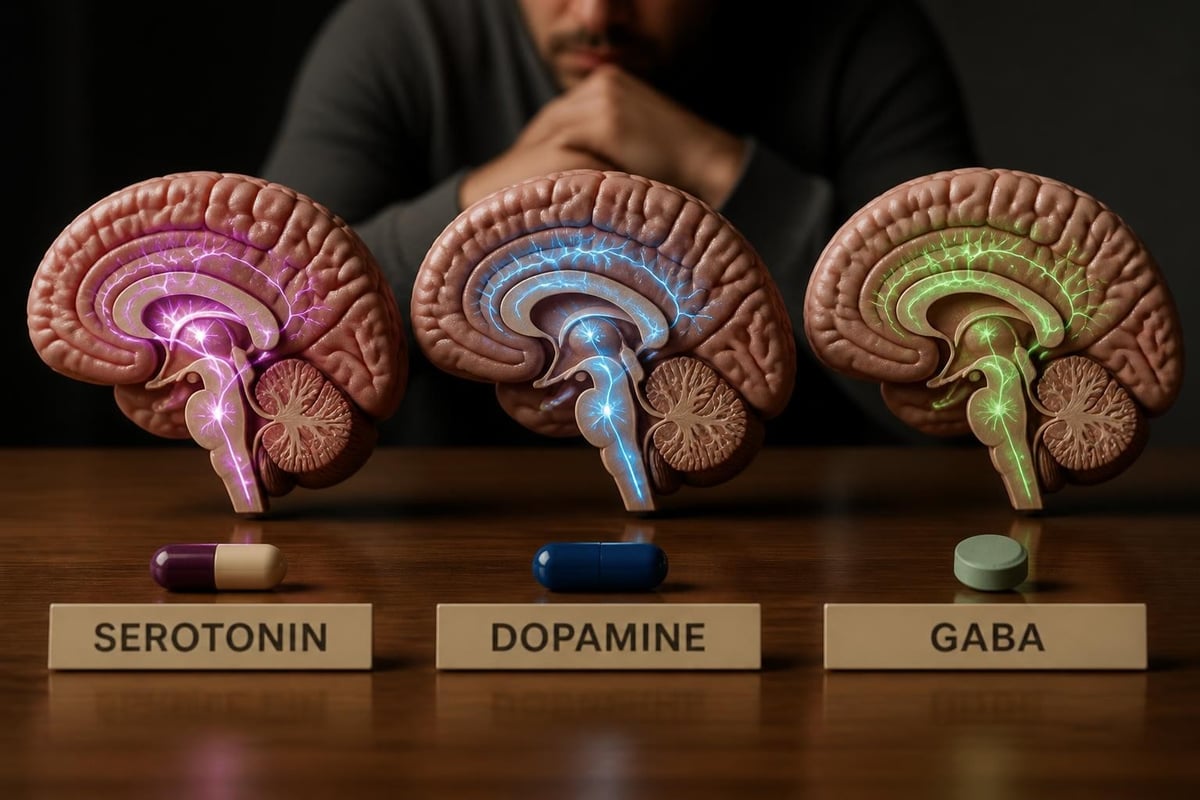
<featured_image_prompt>The concept of mental drug treatment pathways showing how psychiatric medications interact with neurotransmitters to restore mental health balance and improve emotional well-being</featured_image_prompt>
<article_content>
The term "mental drug" commonly refers to psychiatric medications designed to treat mental health conditions by affecting brain chemistry and neural pathways. These pharmaceutical interventions play a critical role in modern mental health care, helping millions of individuals manage symptoms of depression, anxiety, bipolar disorder, schizophrenia, and other psychiatric conditions. Understanding how these medications work, their classifications, and their proper application remains essential for anyone considering treatment options or supporting loved ones through mental health challenges.
## What Defines a Mental Drug in Clinical Practice
A mental drug, more formally known as a psychotropic medication, targets the central nervous system to influence mood, perception, consciousness, cognition, or behavior. These medications work by altering neurotransmitter levels in the brain, which directly impacts how neurons communicate with each other.
### Primary Mechanisms of Action
The effectiveness of any mental drug depends on its ability to modify specific chemical processes within the brain. Most psychiatric medications focus on neurotransmitters such as serotonin, dopamine, norepinephrine, and gamma-aminobutyric acid (GABA).
1. **Reuptake inhibition**: Prevents neurotransmitters from being reabsorbed too quickly
2. **Receptor blocking**: Stops excessive stimulation of certain neural receptors
3. **Enzymatic intervention**: Reduces the breakdown of beneficial neurotransmitters
4. **Neural pathway modulation**: Adjusts how different brain regions communicate
The [National Institute of Mental Health provides detailed information](https://www.nimh.nih.gov/health/topics/mental-health-medications) about how these mechanisms translate into therapeutic benefits for patients experiencing mental health challenges.
### Clinical Applications and Treatment Goals
Mental drug therapy aims to reduce symptom severity, improve daily functioning, and enhance overall quality of life. Treatment success depends on accurate diagnosis, appropriate medication selection, proper dosing, and ongoing monitoring.
Healthcare providers typically prescribe psychiatric medications as part of comprehensive treatment plans that include therapy, lifestyle modifications, and support systems. The [importance of maintaining mental wellness](https://www.alquimedez.com/healthy-mentally) extends beyond medication management to encompass holistic approaches to psychological health.
## Major Categories of Psychiatric Medications
Understanding the different types of mental drug classifications helps patients and families make informed decisions about treatment options. Each category serves specific therapeutic purposes and targets distinct symptoms or conditions.
### Antidepressants and Mood Stabilizers
Antidepressants represent one of the most commonly prescribed mental drug categories in 2026. These medications treat depression, anxiety disorders, obsessive-compulsive disorder, and certain chronic pain conditions.
| Medication Class | Primary Use | Common Examples | Typical Onset Time |
|-----------------|-------------|-----------------|-------------------|
| SSRIs | Depression, Anxiety | Fluoxetine, Sertraline | 2-6 weeks |
| SNRIs | Depression, Pain | Venlafaxine, Duloxetine | 2-4 weeks |
| Tricyclics | Depression, Migraines | Amitriptyline, Nortriptyline | 3-6 weeks |
| MAOIs | Treatment-Resistant Depression | Phenelzine, Tranylcypromine | 4-6 weeks |
Mood stabilizers help individuals manage bipolar disorder and related conditions. Lithium remains the gold standard for bipolar treatment, while anticonvulsants like valproate and lamotrigine offer alternatives for those who cannot tolerate lithium.
Understanding [bipolar disorder misconceptions](https://www.alquimedez.com/setting-straight-misconceptions-about-bipolar-disorder) helps patients recognize the value of consistent medication adherence and professional monitoring.
### Antipsychotic Medications
Antipsychotic mental drug options treat schizophrenia, bipolar disorder, and severe depression with psychotic features. Second-generation antipsychotics (atypical antipsychotics) have become preferred due to fewer motor side effects compared to older first-generation medications.
These medications work primarily by blocking dopamine receptors in specific brain pathways. While effective for reducing hallucinations, delusions, and disorganized thinking, they require careful monitoring for metabolic side effects including weight gain and blood sugar changes.
### Anti-Anxiety Medications
Benzodiazepines and buspirone constitute the primary mental drug options for anxiety disorders. Benzodiazepines provide rapid relief but carry risks of dependence and tolerance, making them suitable primarily for short-term use or acute anxiety episodes.
1. **Benzodiazepines**: Fast-acting, effective for panic attacks and acute anxiety
2. **Buspirone**: Non-addictive alternative requiring several weeks to reach effectiveness
3. **Beta-blockers**: Address physical symptoms like rapid heartbeat and trembling
4. **Hydroxyzine**: Antihistamine with anti-anxiety properties and low abuse potential
The [overview of psychopharmacology](https://www.psychologytoday.com/us/basics/psychopharmacology) provides additional context for how these medications influence mental states and contribute to anxiety management strategies.
## Emerging Treatments and Research Developments
The landscape of mental drug therapy continues evolving rapidly as researchers explore novel compounds and repurpose existing medications for new applications. Recent years have witnessed renewed interest in psychedelic-assisted therapy and precision psychiatry approaches.
### Psychedelic-Assisted Therapies
Clinical research into [psychedelic and dissociative drugs as therapeutic tools](https://nida.nih.gov/research-topics/psychedelic-dissociative-drugs-medicines) has accelerated significantly since 2020. Psilocybin, MDMA, and ketamine show promise for treatment-resistant depression, PTSD, and end-of-life anxiety.

These substances work differently than traditional mental drug options, often producing rapid and sustained improvements after just one or few administrations when combined with psychotherapy. However, they require specialized clinical settings and trained facilitators to ensure safety and maximize therapeutic benefit.
Recent [scholarly reviews of psychedelic therapies](https://www.nature.com/articles/s41386-023-01656-7) emphasize cautious optimism while highlighting the need for rigorous research protocols and ethical implementation frameworks.
### Precision Psychiatry and Personalized Medicine
Advances in pharmacogenomics allow clinicians to predict how individual patients will respond to specific mental drug options based on genetic markers. This approach reduces the trial-and-error process traditionally associated with psychiatric medication management.
Genetic testing can identify variations in liver enzymes that affect medication metabolism, helping providers select optimal dosages and avoid medications likely to cause adverse effects. While not yet standard practice everywhere, precision psychiatry represents the future direction of mental health pharmacotherapy.
## Substance-Related Mental Health Considerations
The intersection between substance use and mental health creates complex treatment challenges requiring specialized assessment and intervention strategies. Many individuals use substances as self-medication for underlying psychiatric conditions, while prolonged substance use can trigger or worsen mental health symptoms.
### Dual Diagnosis Treatment Approaches
When substance use disorders co-occur with mental health conditions, integrated treatment addressing both issues simultaneously produces better outcomes than sequential or parallel treatment models. The mental drug component of dual diagnosis treatment requires careful consideration of potential interactions and abuse liability.
Healthcare providers must balance the therapeutic benefits of psychiatric medications against the risk of misuse in individuals with substance use histories. For example, benzodiazepines effectively treat anxiety but carry high addiction potential, necessitating alternative approaches for patients in recovery.
[Substance-related mental health disorders](https://www.merckmanuals.com/home/mental-health-disorders/substance-related-disorders/substance-related-mental-health-disorders) present unique diagnostic challenges since symptoms may result from intoxication, withdrawal, or independent psychiatric conditions requiring different treatment strategies.
### Assessment and Monitoring Protocols
Comprehensive substance abuse assessments identify the nature and severity of both substance use and mental health symptoms. These evaluations inform treatment planning and help clinicians determine whether symptoms represent independent psychiatric conditions requiring mental drug intervention or substance-induced phenomena likely to resolve with abstinence.
1. **Detailed substance use history**: Types, quantities, patterns, and duration of use
2. **Psychiatric symptom timeline**: Onset relative to substance use patterns
3. **Family history**: Genetic predisposition to mental health and substance use disorders
4. **Previous treatment responses**: Effectiveness of past interventions and medications
5. **Current psychosocial stressors**: Environmental factors influencing mental health
Regular monitoring ensures that mental drug therapy remains appropriate and effective as patients progress through recovery. Adjustments may be necessary as brain chemistry stabilizes during sustained abstinence.
## Safety Considerations and Side Effect Management
Every mental drug carries potential side effects ranging from mild inconveniences to serious health risks. Understanding these risks and implementing appropriate monitoring protocols protects patient safety while maximizing therapeutic benefits.
### Common Side Effects Across Medication Classes
Different mental drug categories produce characteristic side effect profiles that patients and providers should anticipate and manage proactively.
| Side Effect Category | Affected Medications | Management Strategies |
|---------------------|---------------------|----------------------|
| Gastrointestinal | SSRIs, SNRIs | Take with food, temporary dose reduction |
| Sedation | Antipsychotics, some antidepressants | Bedtime dosing, caffeine moderation |
| Weight changes | Antipsychotics, mood stabilizers | Dietary planning, exercise, monitoring |
| Sexual dysfunction | SSRIs, SNRIs | Dose adjustment, medication switch, timing changes |
Patients should never discontinue mental drug therapy abruptly without medical supervision. Many psychiatric medications require gradual tapering to prevent withdrawal symptoms and rebound effects.
The importance of [discussing medication side effects with healthcare providers](https://www.alquimedez.com/discuss-with-your-doctor-the-side-effects-of-medication) cannot be overstated, as many adverse effects can be managed through dose adjustments, timing changes, or addition of complementary interventions.
### Serious Adverse Events Requiring Immediate Attention
While rare, certain mental drug complications demand urgent medical evaluation. Patients and caregivers should recognize warning signs including:
1. **Serotonin syndrome**: Confusion, rapid heart rate, high fever, seizures
2. **Neuroleptic malignant syndrome**: Severe muscle rigidity, altered consciousness, autonomic instability
3. **Severe allergic reactions**: Difficulty breathing, facial swelling, widespread rash
4. **Suicidal ideation**: Particularly during initial treatment weeks in young adults
5. **Manic episode induction**: Especially in undiagnosed bipolar disorder treated with antidepressants

## Optimizing Treatment Outcomes
Successful mental drug therapy extends beyond simply taking prescribed medications. Multiple factors influence treatment effectiveness and long-term outcomes.
### Adherence Strategies and Support Systems
Medication adherence represents one of the most significant predictors of treatment success. Studies indicate that approximately 50% of patients with chronic conditions, including mental health disorders, do not take medications as prescribed.
Strategies to improve adherence include:
1. **Education**: Understanding why medications are necessary and how they work
2. **Routine integration**: Linking medication times to daily activities
3. **Reminder systems**: Alarms, pill organizers, smartphone applications
4. **Side effect management**: Addressing concerns promptly rather than discontinuing
5. **Regular follow-up**: Scheduled appointments to assess progress and adjust treatment
Family involvement and social support significantly enhance adherence rates and overall treatment outcomes. When loved ones understand mental drug therapy goals and timelines, they can provide encouragement during the weeks before medications reach full effectiveness.
### Complementary Interventions
Mental drug therapy works most effectively when integrated with psychotherapy, lifestyle modifications, and stress management techniques. Cognitive-behavioral therapy, interpersonal therapy, and other evidence-based psychotherapies address thought patterns and behaviors that medications alone cannot change.
Additional interventions that enhance mental drug effectiveness include:
1. **Regular exercise**: Improves mood, reduces anxiety, enhances medication response
2. **Sleep hygiene**: Consistent sleep schedules support mental health stability
3. **Nutritional optimization**: Adequate nutrients support neurotransmitter production
4. **Stress reduction**: Mindfulness, meditation, relaxation techniques
5. **Social connection**: Meaningful relationships provide essential emotional support
For individuals dealing with [seasonal affective disorder](https://www.alquimedez.com/seasonal-affective-disorder-sad-what-is-it), combining mental drug therapy with light therapy and lifestyle adjustments produces superior outcomes compared to medication alone.
## Special Population Considerations
Different age groups and populations require tailored approaches to mental drug therapy due to physiological differences, developmental considerations, and unique risk factors.
### Children and Adolescents
Pediatric psychopharmacology demands particular caution since developing brains respond differently to medications than adult brains. Limited research exists on long-term effects of mental drug exposure during critical developmental periods.
Healthcare providers typically reserve psychiatric medications for children only after psychotherapy and behavioral interventions prove insufficient. When medications become necessary, treatment begins with the lowest effective doses and includes frequent monitoring for efficacy and side effects.
[Understanding ADHD in children](https://www.alquimedez.com/adhd-in-children-what-you-should-know) helps parents recognize when mental drug therapy may benefit their child versus when behavioral interventions alone suffice.
### Older Adults
Aging affects medication metabolism, elimination, and sensitivity. Older adults typically require lower mental drug doses than younger patients and face increased risks of drug interactions due to multiple medications for various health conditions.
Age-related changes in liver and kidney function slow medication clearance, potentially leading to accumulation and toxicity. Additionally, older adults show heightened sensitivity to anticholinergic side effects including confusion, falls, and urinary retention.
### Pregnant and Nursing Individuals
Mental drug use during pregnancy and lactation requires careful risk-benefit analysis. Untreated mental health conditions pose significant risks to both parent and child, including poor prenatal care, substance use, and postpartum complications.
However, certain psychiatric medications carry teratogenic risks or affect fetal development. Healthcare providers work with patients to identify the safest effective treatment options, often continuing necessary mental drug therapy while avoiding medications with known developmental risks.
## Court-Mandated and Forensic Evaluations
Mental drug use often becomes relevant in legal contexts including competency evaluations, custody determinations, immigration assessments, and criminal proceedings. Comprehensive evaluations must consider medication effects on cognition, behavior, and mental state.
### Immigration-Related Psychological Evaluations
Individuals seeking asylum or immigration relief based on trauma, persecution, or extreme hardship undergo thorough psychological evaluations. These assessments document mental health conditions, treatment history including mental drug use, and functional impairment resulting from traumatic experiences.
Evaluators must distinguish between symptoms resulting from trauma versus pre-existing conditions, and assess how mental drug therapy supports or would support psychological stability and functioning in the United States.
### Substance Abuse Assessments for Legal Proceedings
Court-ordered substance abuse evaluations determine the nature and severity of substance use disorders, recommend appropriate treatment levels, and assess compliance with treatment mandates. These evaluations often occur in DUI cases, child custody matters, and probation proceedings.
Evaluators consider whether mental drug therapy for co-occurring psychiatric conditions might influence substance use patterns and recovery prospects. Integrated treatment addressing both mental health and substance use typically produces better legal and clinical outcomes than substance use treatment alone.
## The Role of Specialized Services
Comprehensive mental health care extends beyond medication management to include specialized assessments and interventions for unique populations and situations.
### Bariatric Surgery Psychological Evaluations
Individuals considering weight loss surgery undergo psychological evaluations assessing readiness for surgery, identifying mental health conditions that might affect outcomes, and ensuring realistic expectations. Mental drug use for depression or anxiety does not automatically disqualify candidates but requires consideration in treatment planning.
[Pre-operative bariatric surgery evaluations](https://www.alquimedez.com/pre-operative-bariatric-surgery-psychological-evaluation) identify psychological factors that might complicate recovery or require additional support during the dramatic lifestyle changes following surgery.
### Crisis Consultation and Corporate Training
International crisis situations and corporate environments increasingly recognize the importance of mental health support and education. Specialized consulting services provide crisis intervention, psychological first aid training, and workplace mental health programs.
Understanding [psychotropic drug categories and applications](https://www.healthline.com/health/what-is-a-psychotropic-drug) helps corporate wellness programs develop appropriate referral protocols and support systems for employees experiencing mental health challenges.
## Brain-Based Assessment Technologies
Advanced diagnostic technologies complement traditional clinical assessments by providing objective measures of brain function that inform mental drug selection and monitoring.
### Quantitative EEG and Brain Mapping
Quantitative electroencephalography (QEEG) measures electrical activity patterns across different brain regions, identifying abnormalities associated with various mental health conditions. This technology helps predict which mental drug options are most likely to benefit individual patients based on their unique brain activity patterns.
[Brain mapping technologies](https://www.alquimedez.com/quantitative-eeg-brain-mapping-identifying-brain-problems-via-a-brain-map) provide objective data supplementing subjective symptom reports, allowing more precise treatment targeting and monitoring of medication effects on neural functioning.
### Neurofeedback as Complementary Treatment
Neurofeedback training teaches individuals to modify their own brain activity patterns through real-time feedback. When combined with appropriate mental drug therapy, neurofeedback may enhance treatment outcomes for conditions including ADHD, anxiety, and PTSD.
This non-invasive intervention [reduces stress and enhances performance](https://www.alquimedez.com/neurofeedback-reduces-stress-and-enhances-performance-under-difficult-conditions) by helping patients develop better self-regulation skills that complement pharmaceutical interventions.
---
Understanding mental drug options, their applications, and their integration into comprehensive treatment plans empowers individuals to make informed decisions about their mental health care. While psychiatric medications provide essential symptom relief for millions, they work best as part of holistic approaches addressing psychological, social, and lifestyle factors. Whether you need substance abuse assessments, court-mandated evaluations, immigration-related psychological services, or specialized bariatric counseling, [Alquimedez Mental Health Counseling](https://alquimedez.com) provides expert guidance tailored to your unique circumstances and treatment goals.
{
  "@context": "https://schema.org",
  "@graph": [
    {
      "@type": "Article",
      "headline": "Mental Drug: Understanding Medications for Mental Health",
      "description": "Comprehensive guide to psychiatric medications, their types, applications, and considerations for mental health treatment in 2026.",
      "image": "https://www.alquimedez.com/images/mental-drug-treatment.jpg",
      "author": {
        "@type": "Organization",
        "name": "Alquimedez Mental Health Counseling",
        "url": "https://www.alquimedez.com"
      },
      "publisher": {
        "@type": "Organization",
        "name": "Alquimedez Mental Health Counseling",
        "logo": {
          "@type": "ImageObject",
          "url": "https://www.alquimedez.com/logo.png"
        }
      },
      "datePublished": "2026-06-13",
      "dateModified": "2026-06-13",
      "mainEntityOfPage": {
        "@type": "WebPage",
        "@id": "https://www.alquimedez.com/mental-drug"
      }
    },
    {
      "@type": "MedicalBusiness",
      "name": "Alquimedez Mental Health Counseling",
      "description": "Comprehensive mental health services including substance abuse assessments, court-mandated evaluations, immigration-related psychological evaluations, crisis consulting, and bariatric counseling.",
      "url": "https://www.alquimedez.com",
      "medicalSpecialty": [
        "Psychiatry",
        "Psychology",
        "Mental Health Counseling"
      ],
      "priceRange": "$$"
    },
    {
      "@type": "FAQPage",
      "mainEntity": [
        {
          "@type": "Question",
          "name": "What is a mental drug?",
          "acceptedAnswer": {
            "@type": "Answer",
            "text": "A mental drug, formally known as a psychotropic medication, is a pharmaceutical substance that targets the central nervous system to influence mood, perception, cognition, or behavior by altering neurotransmitter levels in the brain."
          }
        },
        {
          "@type": "Question",
          "name": "How long does it take for mental drugs to work?",
          "acceptedAnswer": {
            "@type": "Answer",
            "text": "Most psychiatric medications require 2-6 weeks to reach full effectiveness, though some side effects may appear within days. Antidepressants typically take 2-6 weeks, while anti-anxiety medications may work more quickly for acute symptoms."
          }
        },
        {
          "@type": "Question",
          "name": "Are mental drugs safe during pregnancy?",
          "acceptedAnswer": {
            "@type": "Answer",
            "text": "Mental drug use during pregnancy requires careful risk-benefit analysis with healthcare providers. Some medications are safer than others, and untreated mental health conditions also pose risks to both parent and child."
          }
        },
        {
          "@type": "Question",
          "name": "Can you stop taking mental drugs suddenly?",
          "acceptedAnswer": {
            "@type": "Answer",
            "text": "No, psychiatric medications should never be discontinued abruptly without medical supervision. Many require gradual tapering to prevent withdrawal symptoms and rebound effects."
          }
        }
      ]
    }
  ]
}