

Mental health crises can emerge suddenly, demanding immediate intervention and specialized care. Short term mental health facilities provide essential services for individuals experiencing acute psychiatric episodes, offering structured environments where patients receive intensive treatment typically lasting from several days to a few weeks. These facilities bridge the gap between outpatient therapy and long-term residential treatment, delivering critical stabilization services that help individuals regain emotional equilibrium before returning to their communities.
Understanding Short Term Mental Health Facilities
Short term mental health facilities specialize in acute psychiatric care for individuals facing immediate mental health crises. These settings provide 24/7 medical supervision, therapeutic interventions, and safety measures designed to address severe symptoms that cannot be managed through outpatient services alone.
The primary function of these facilities centers on crisis stabilization rather than extended therapeutic work. Inpatient acute care programs typically admit patients experiencing conditions such as severe depression with suicidal ideation, acute psychosis, mania, or dangerous behavioral changes requiring immediate attention.
Duration and Structure of Care
Most short term mental health facilities operate on treatment timelines ranging from three to fourteen days, though some programs extend up to thirty days depending on patient needs and insurance coverage. The abbreviated timeframe focuses treatment on immediate symptom reduction, medication stabilization, and discharge planning rather than addressing underlying long-term issues.
Treatment teams in these settings typically include psychiatrists, psychiatric nurses, social workers, therapists, and case managers who collaborate to develop individualized care plans. Daily schedules incorporate medication management, individual therapy sessions, group counseling, psychoeducation, and activities designed to restore functional capacity.

Types of Short Term Mental Health Programs
Different facility types serve varying needs within the short-term care spectrum. Understanding these distinctions helps individuals and families identify the most appropriate level of care for specific situations.
Crisis Residential Services
Crisis residential programs offer less restrictive alternatives to hospital-based inpatient care. These homelike settings provide 24/7 monitoring and support for individuals experiencing mental health crises who do not require medical hospitalization. Residents typically stay between five and ten days, receiving therapeutic support while maintaining greater autonomy than hospital settings allow.
Crisis residential facilities emphasize peer support, skill development, and connection to community resources. The Yellow Leaf Support Center model demonstrates this approach through multidisciplinary teams delivering holistic programming in comfortable, non-institutional environments.
Acute Inpatient Hospitalization
Hospital-based short term mental health facilities provide the highest level of psychiatric care for individuals requiring medical monitoring alongside mental health treatment. Mental health inpatient services operate within general hospitals or standalone psychiatric hospitals, offering locked units for patient safety during acute episodes.
These programs serve patients experiencing severe symptoms including active suicidal behavior, psychotic episodes, severe medication reactions, or co-occurring medical conditions requiring simultaneous treatment. Medical staff can administer medications, conduct laboratory testing, and provide emergency interventions unavailable in residential settings.
Residential Stabilization Programs
Residential stabilization services occupy a middle ground between crisis residential care and acute hospitalization. Short-term residential programs accept patients who have stabilized beyond needing hospital-level care but still require structured 24-hour support before transitioning to outpatient treatment.
These facilities typically accommodate stays of two to four weeks, focusing on medication optimization, coping skill development, and establishing connections with ongoing community-based services. Programs often specialize in specific populations or conditions, such as trauma recovery, addiction co-occurring with mental illness, or age-specific treatment.
Admission Criteria and Assessment Processes
Entry into short term mental health facilities follows standardized evaluation procedures ensuring appropriate placement and maximizing treatment effectiveness. Understanding these criteria helps individuals navigate the admission process during crisis situations.
Common Admission Requirements
Facilities typically accept patients meeting specific clinical criteria including:
- Imminent risk of harm to self or others
- Severe psychiatric symptoms impairing daily functioning
- Acute medication adjustments requiring close monitoring
- Recent psychiatric hospitalization requiring step-down care
- Failed outpatient treatment attempts for current episode
Most programs require pre-admission screening conducted by crisis counselors, emergency department personnel, or facility intake coordinators. These assessments evaluate symptom severity, safety concerns, medical stability, and insurance coverage to determine appropriateness for admission.
Voluntary versus Involuntary Admission
Patients enter short term mental health facilities through either voluntary or involuntary processes. Voluntary admissions occur when individuals recognize their need for treatment and consent to enter care. These patients maintain rights to request discharge, though facilities may petition for involuntary holds if safety concerns emerge.
Involuntary admissions happen when individuals meet legal criteria for psychiatric holds, typically involving imminent danger to themselves or others combined with inability to recognize their need for treatment. State laws govern these processes, generally requiring physician certification and judicial review within specified timeframes.
Professional mental health assessments conducted by qualified clinicians form the foundation of admission determinations, ensuring individuals receive appropriate levels of care matching their clinical needs.

Treatment Approaches in Short Term Settings
Evidence-based interventions delivered within abbreviated timeframes characterize treatment in short term mental health facilities. Programs maximize therapeutic impact through intensive, focused interventions addressing immediate crisis factors.
Medication Management
Psychiatric medication adjustment represents a cornerstone of short-term treatment. Psychiatrists evaluate current medication regimens, initiate new medications when indicated, or modify dosages to achieve symptom control. The controlled environment allows close monitoring for side effects and therapeutic responses that outpatient settings cannot provide.
Patients receiving new antipsychotic medications, mood stabilizers, or antidepressants benefit from daily medical observation during the critical initial treatment period. Staff can quickly identify adverse reactions, adjust dosing schedules, and educate patients about medication effects before discharge.
Individual and Group Therapy
Therapeutic interventions in short term mental health facilities concentrate on crisis resolution rather than comprehensive psychotherapy. Individual sessions help patients identify crisis triggers, develop immediate coping strategies, and create safety plans for post-discharge life.
Group therapy provides peer support, normalizes crisis experiences, and teaches practical skills for managing symptoms. Common group topics include stress management, emotion regulation, sleep hygiene, substance abuse education, and relapse prevention. The structured schedule typically includes multiple daily groups addressing various therapeutic domains.
Discharge Planning and Aftercare Coordination
Successful transitions from short-term care require comprehensive discharge planning beginning at admission. Case managers connect patients with outpatient providers, schedule follow-up appointments, arrange medication supplies, and coordinate community resources addressing housing, employment, or social service needs.
Facilities providing culturally competent and trauma-informed approaches ensure discharge plans account for individual circumstances, cultural considerations, and specific barriers to ongoing care. Strong aftercare connections significantly reduce readmission rates and support sustained recovery.
Specialized Short Term Programs
Targeted programs address specific populations or conditions requiring specialized treatment approaches within short-term frameworks. These focused services deliver expertise matching unique patient needs.
Age-Specific Programs
Separate units for children, adolescents, adults, and geriatric patients allow age-appropriate programming and peer interaction. Child psychiatry services within short-term settings address developmental considerations, involve family systems in treatment, and coordinate with schools for successful reintegration.
Geriatric psychiatric units accommodate medical complexities common in older adults, modify therapeutic approaches for cognitive changes, and address medication sensitivities specific to aging populations.
Dual Diagnosis Treatment
Programs serving individuals with co-occurring mental health and substance use disorders integrate addiction treatment with psychiatric care. These specialized short term mental health facilities address both conditions simultaneously, recognizing the interconnected nature of mental illness and substance abuse.
Treatment includes detoxification services when medically necessary, addiction education, relapse prevention planning, and connections to continuing recovery support. Integrated approaches produce better outcomes than sequential treatment of separate conditions.
Trauma-Focused Care
Facilities specializing in trauma recovery provide environments recognizing how past trauma influences current psychiatric crises. Trauma-informed residential programs incorporate safety, trustworthiness, peer support, collaboration, and empowerment into all aspects of care.
Treatment addresses trauma symptoms including flashbacks, hypervigilance, dissociation, and emotional dysregulation through evidence-based approaches such as trauma-focused cognitive behavioral therapy and stabilization techniques preparing patients for ongoing trauma processing in outpatient settings.
Comparing Short Term Facility Options
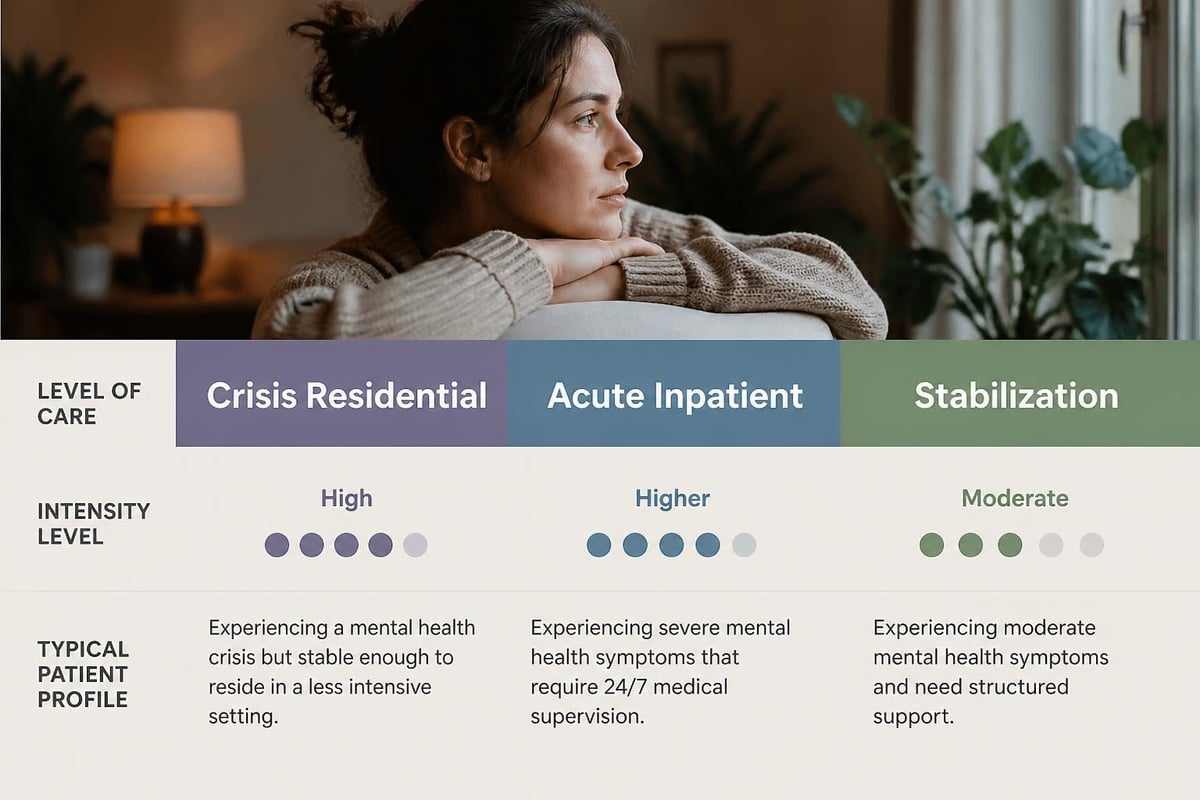
Selecting appropriate short-term care requires understanding how different facility types compare across key dimensions affecting treatment experience and outcomes.
| Facility Type | Typical Duration | Restrictiveness | Medical Services | Best Suited For |
|---|---|---|---|---|
| Acute Inpatient | 3-10 days | High (locked unit) | Full medical care | Severe symptoms, medical needs |
| Crisis Residential | 5-14 days | Low (voluntary) | Basic health monitoring | Moderate symptoms, safety needs |
| Stabilization Residential | 14-30 days | Medium (structured) | Medication management | Post-hospital transition |
This comparison highlights how short term mental health facilities vary in treatment intensity, with selection depending on symptom severity, safety requirements, and medical complexity. Programs operating under Joint Commission accreditation demonstrate compliance with rigorous quality and safety standards.
Insurance Coverage and Financial Considerations
Understanding insurance benefits and financial obligations helps families navigate the cost dimensions of short-term psychiatric care. Coverage varies significantly based on insurance type, specific plan benefits, and facility network participation.
Insurance Requirements
Most short term mental health facilities accept major insurance plans including commercial health insurance, Medicare, and Medicaid programs. Coverage typically requires pre-authorization for planned admissions, though emergency psychiatric holds often receive retroactive approval given the crisis nature of admission.
Patients should verify their specific benefits before admission when possible, understanding deductibles, copayments, and coverage limitations. Many facilities employ insurance verification specialists who check benefits and estimate patient financial responsibility during the intake process.
Out-of-Pocket Costs
Individuals without insurance or seeking treatment outside their insurance network face significant out-of-pocket expenses. Daily rates for short term mental health facilities range from several hundred to over one thousand dollars per day depending on location, facility amenities, and services provided.
Payment plans, sliding fee scales, and financial assistance programs may be available through certain facilities or community mental health organizations. Evidence-based short-term options providing at least two weeks of intensive care represent substantial financial commitments requiring careful planning.
The Role of Family and Support Systems
Family involvement enhances treatment effectiveness and supports successful transitions from short-term care back to community living. Most facilities incorporate family education, communication, and discharge planning into their programming.
Family Education Sessions
Structured family sessions help loved ones understand the patient's diagnosis, treatment plan, medication regimen, and warning signs of symptom recurrence. Education reduces stigma, improves home environment supportiveness, and equips families with skills for managing crisis situations.
Programs may offer separate family support groups where relatives connect with others facing similar challenges, share experiences, and learn from each other's coping strategies.
Communication Policies
Facilities maintain varying policies regarding family contact during treatment. Most allow scheduled phone calls and visiting hours while protecting patient confidentiality and therapeutic structure. Staff members provide regular updates to designated family contacts with patient permission, ensuring families stay informed about treatment progress.
Discharge Family Meetings
Comprehensive discharge planning includes family meetings reviewing aftercare plans, medication instructions, follow-up appointments, and emergency procedures. These sessions ensure everyone understands their roles in supporting ongoing recovery and recognizing early warning signs requiring intervention.
Understanding when immediate help becomes necessary, including when to call 911 during psychiatric emergencies, empowers families to respond appropriately to crisis situations.
Transition Planning and Long-Term Success
The ultimate measure of short-term treatment effectiveness lies in successful community reintegration and sustained symptom management. Comprehensive transition planning begins at admission and continues through discharge follow-up.
Outpatient Connections
Case managers connect patients with outpatient therapists, psychiatrists, and other mental health professionals before discharge. Scheduling initial appointments while patients remain in the facility ensures continuity of care and reduces gaps in treatment that increase relapse risk.
Many facilities maintain relationships with community providers, facilitating warm handoffs that transfer clinical information and treatment recommendations directly to ongoing care teams.
Community Resource Integration
Beyond clinical services, successful transitions require addressing practical needs including housing stability, employment support, transportation access, and social connections. Short term mental health facilities connect patients with community resources such as supported housing programs, vocational rehabilitation, peer support organizations, and social service agencies.
Comprehensive behavioral health services continue supporting individuals as they navigate the challenges of returning to independent community living following crisis stabilization.
Making Informed Decisions About Short Term Care
Choosing appropriate short-term treatment requires balancing multiple factors including symptom severity, treatment preferences, insurance coverage, and facility characteristics. Informed decision-making improves treatment engagement and outcomes.
Questions to Ask Facilities
Prospective patients and families should inquire about:
- Treatment philosophy and therapeutic approaches used
- Staff credentials and patient-to-staff ratios
- Typical length of stay for similar conditions
- Visitation policies and family involvement opportunities
- Aftercare planning and discharge support services
- Accreditation status and quality metrics
- Insurance participation and estimated costs
These questions help identify facilities aligning with individual needs, values, and circumstances.
Preparing for Admission
When planned admissions allow preparation time, patients benefit from bringing comfort items, documenting current medications, gathering insurance information, and identifying emergency contacts. Understanding the intake process and facility expectations reduces admission anxiety.
Creating a list of questions for treatment staff, including concerns about specific symptoms or treatment preferences, ensures important topics receive attention during initial assessment and care planning.
Advocating for Appropriate Care
Patients and families serve as partners in the treatment process, advocating for care matching individual needs. This includes asking questions, expressing preferences, requesting second opinions when appropriate, and understanding patient rights throughout the treatment episode.
Effective advocacy ensures short term mental health facilities deliver personalized, respectful care addressing each individual's unique circumstances and recovery goals.
Short term mental health facilities provide essential crisis intervention and stabilization services that help individuals navigate acute psychiatric episodes and transition to ongoing community-based care. When you or a loved one needs professional mental health support, Alquimedez Mental Health Counseling offers comprehensive services including detailed mental health assessments, court-mandated evaluations, and specialized consulting to support your mental health journey. Contact Alquimedez Mental Health Counseling today to learn how our experienced team can provide the professional guidance and support you need.