

The intersection of mental health and the legal system creates unique challenges for individuals facing criminal charges while managing behavioral health conditions. A mental court, also known as a mental health court, represents a specialized judicial approach that prioritizes treatment over punishment for eligible participants. These specialized dockets have transformed how the justice system addresses mental illness, offering pathways to recovery rather than simply imposing penalties. Understanding the mental court process, from initial assessment through program completion, helps individuals and families navigate this complex system with greater confidence and clarity.
Understanding the Mental Court System
Mental health courts emerged in the late 1990s as a response to the growing recognition that traditional criminal justice approaches often failed individuals with mental illness. Mental health courts substitute a problem-solving approach for traditional criminal court processing, addressing the underlying behavioral health issues that contribute to justice involvement.
These specialized courts operate on fundamental principles that distinguish them from conventional criminal proceedings. The focus shifts from punishment to rehabilitation, emphasizing treatment engagement and community support. Participants typically receive comprehensive mental health services, case management, and regular judicial monitoring throughout their program involvement.
Key Components of Mental Health Court Programs
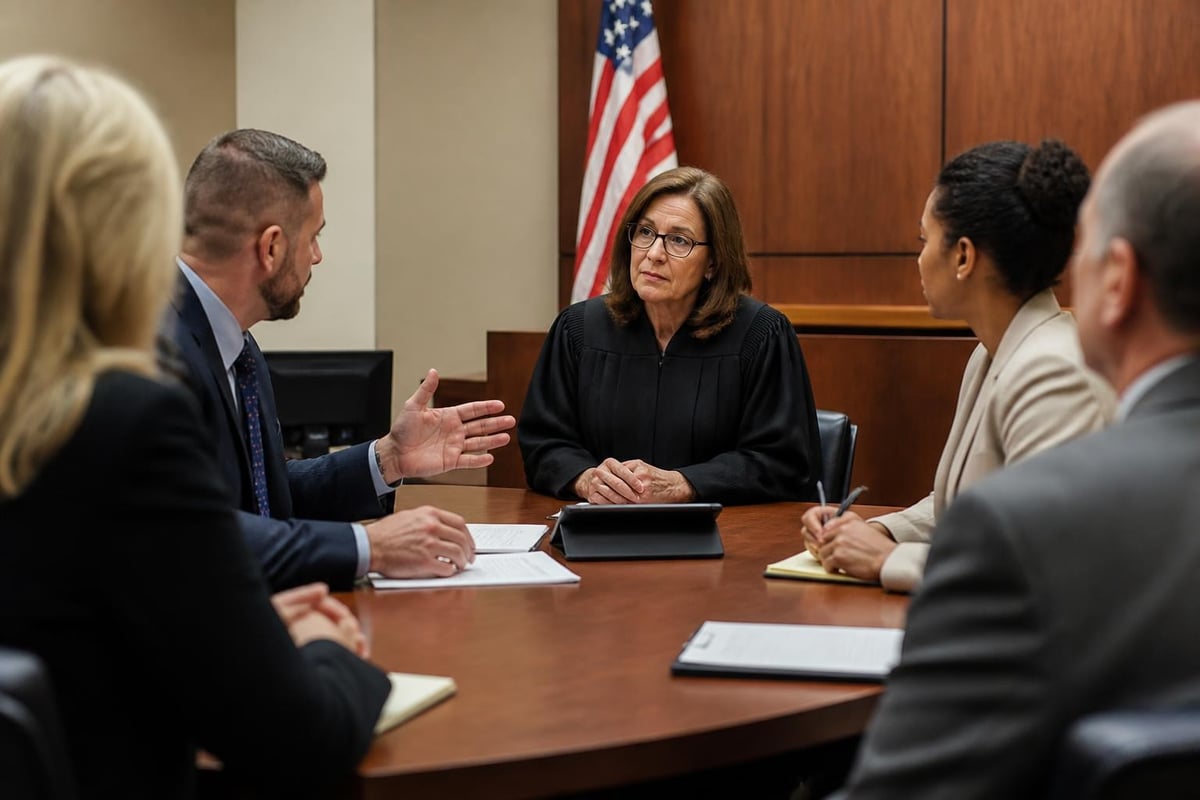
Mental court programs incorporate several essential elements that support participant success. Regular status hearings provide accountability and encouragement, with judges taking an active role in monitoring progress and celebrating achievements. Treatment teams collaborate across disciplines, including mental health professionals, case managers, probation officers, and legal advocates.
- Voluntary participation with informed consent from eligible defendants
- Comprehensive clinical assessment to determine appropriate treatment needs
- Individualized treatment plans addressing mental health and co-occurring conditions
- Regular court appearances for progress monitoring and judicial supervision
- Coordinated services connecting participants with community resources
- Incentives and sanctions to encourage compliance and positive behavior
- Graduation ceremonies recognizing successful program completion
The collaborative approach ensures participants receive wraparound support addressing not only mental health symptoms but also housing, employment, education, and social connection needs. This holistic model acknowledges that stable recovery requires addressing multiple life domains simultaneously.
Eligibility and Referral Process
Determining eligibility for mental court participation involves careful screening and assessment. Court assessment services play a crucial role in evaluating whether individuals qualify for these specialized programs.
Most jurisdictions establish specific criteria that defendants must meet before acceptance. Candidates typically must have diagnosed mental health conditions substantially contributing to their criminal behavior. The charged offenses often fall within certain categories, with many programs excluding violent felonies or serious crimes against persons.
Assessment Requirements
Clinical evaluations form the foundation of mental court referrals. Licensed mental health professionals conduct comprehensive assessments examining psychiatric history, current symptoms, treatment engagement, and criminogenic risk factors. These evaluations provide courts with detailed information about diagnosis, treatment recommendations, and likelihood of program success.
Common assessment components include:
- Diagnostic interviews using standardized clinical tools
- Review of psychiatric treatment history and medical records
- Substance use evaluations for co-occurring disorders
- Risk and needs assessments measuring recidivism factors
- Cognitive functioning and competency screenings
- Social history including housing, employment, and family support
The referral process varies by jurisdiction, but typically defense attorneys, prosecutors, judges, or jail staff can identify potential candidates. Once referred, the assessment team determines whether the individual meets program criteria and would benefit from mental court participation rather than traditional prosecution.
Treatment and Supervision Requirements
Successful mental court participation demands active engagement in prescribed treatment and compliance with supervision conditions. Texas mental health courts emphasize connecting participants with community-based mental health treatment that addresses their specific needs.
Treatment plans are highly individualized, reflecting each participant's unique diagnosis, symptom severity, and treatment history. Outpatient therapy, psychiatric medication management, and crisis intervention services form the core of most treatment regimens. Many participants also engage in peer support groups, skills training, and recovery-oriented services that build resilience and coping strategies.
Monitoring and Accountability
Regular court appearances, typically occurring weekly or biweekly initially, provide structured accountability. Judges receive updates from treatment providers, review drug testing results when applicable, and discuss progress directly with participants. This direct judicial interaction creates powerful motivation for treatment engagement and behavioral change.
| Program Phase | Court Appearances | Treatment Intensity | Primary Focus |
|---|---|---|---|
| Phase 1 | Weekly | Multiple sessions per week | Stabilization and engagement |
| Phase 2 | Biweekly | Regular weekly sessions | Skill development |
| Phase 3 | Monthly | Maintenance level | Community integration |
| Phase 4 | As needed | Follow-up only | Graduation preparation |
Supervision conditions often include maintaining residence at an approved address, abstaining from substance use with random testing, attending all scheduled treatment appointments, and avoiding contact with certain individuals or locations. Participants must also comply with any additional requirements such as community service, educational programs, or employment obligations.

The Role of Court-Mandated Evaluations
Court-mandated evaluations serve multiple purposes within the mental court framework and broader criminal justice system. These professional assessments inform judicial decision-making, guide treatment planning, and establish baseline functioning for measuring progress. Professional evaluators must maintain objectivity while providing comprehensive information that serves the interests of justice and individual well-being.
California mental health courts rely heavily on thorough evaluations to determine participant requirements and track effectiveness in reducing recidivism. The evaluation process requires specialized training, clinical expertise, and understanding of both mental health treatment and legal standards.
Types of Court-Ordered Assessments
Different legal proceedings require distinct evaluation types, each addressing specific legal questions. Competency evaluations determine whether defendants can understand proceedings and assist in their defense. Mental state at the time of offense examinations assess criminal responsibility. Presentencing evaluations inform appropriate dispositions considering mental health factors.
Professionals conducting these evaluations must be licensed mental health clinicians with appropriate credentials and training. Many jurisdictions maintain rosters of approved evaluators who meet specific qualifications and regularly complete continuing education in forensic assessment methods.
Professional evaluators address:
- Current mental status and functioning level
- Psychiatric diagnosis using DSM-5-TR criteria
- Treatment history and previous interventions
- Relationship between mental illness and alleged offense
- Risk assessment for violence or recidivism
- Treatment recommendations and prognosis
- Amenability to mental court participation
Comprehensive evaluations integrate multiple data sources including clinical interviews, psychological testing, collateral information from family or treatment providers, and review of relevant records. This thorough approach ensures courts receive accurate, reliable information supporting appropriate case disposition.
Benefits and Outcomes of Mental Court Programs
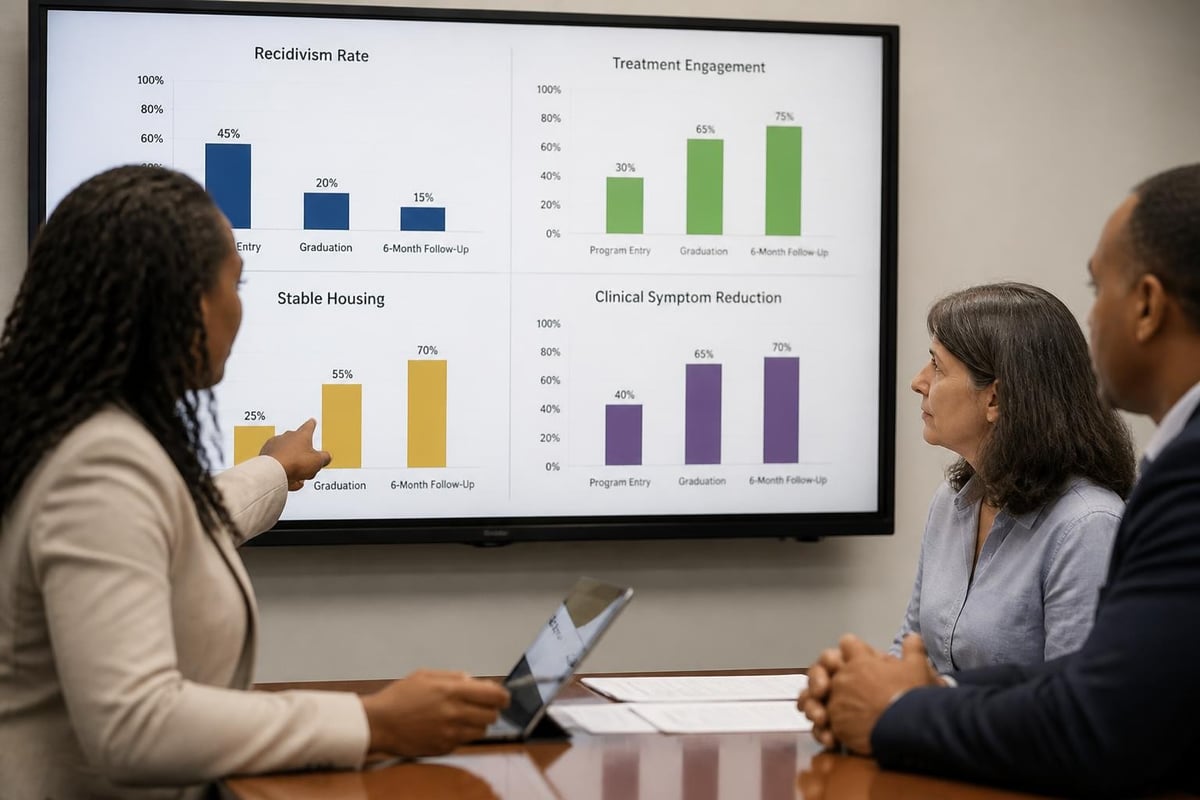
Research consistently demonstrates mental health courts achieve positive outcomes for participants, communities, and justice systems. Kentucky mental health courts demonstrate dedication to improving well-being through community-based treatment and support, producing measurable improvements in multiple domains.
Recidivism reduction represents the most frequently cited benefit, with participants showing significantly lower re-arrest rates compared to similar defendants processed through traditional courts. Studies indicate mental court graduates experience 20-40% fewer future arrests, with even greater reductions in violent offenses and jail bookings.
Individual and Community Impact
Beyond reducing criminal behavior, mental court participation produces meaningful improvements in clinical outcomes. Participants demonstrate better medication adherence, increased engagement in ongoing treatment, reduced psychiatric hospitalizations, and improved overall functioning. Many secure stable housing, obtain employment, reconnect with supportive family members, and develop healthy social networks.
Communities benefit through reduced jail costs, decreased emergency service utilization, and enhanced public safety. The treatment-focused approach addresses root causes rather than temporarily removing individuals through incarceration, creating lasting positive change. Resources for psychological evaluations and ongoing mental health support become more accessible as systems recognize the value of early intervention.
| Outcome Domain | Improvement Rate | Measurement Period |
|---|---|---|
| Recidivism reduction | 20-40% decrease | 12-24 months post-enrollment |
| Treatment engagement | 60-75% sustained participation | During program |
| Housing stability | 50-70% obtain stable housing | Program completion |
| Symptom reduction | 40-60% clinical improvement | 6-12 months |
Cost-effectiveness analyses reveal mental courts generate substantial savings compared to traditional prosecution and incarceration. While upfront treatment costs may seem significant, they pale compared to repeated jail stays, emergency room visits, and ongoing criminal justice processing costs. Communities investing in mental health court infrastructure typically achieve positive return on investment within two to three years.
Challenges and Considerations in Mental Court Participation
While mental health courts offer tremendous benefits, participants face significant challenges throughout the process. Program requirements demand substantial time commitment, behavioral change, and sustained effort over months or years. Understanding these challenges helps individuals make informed decisions about participation and prepare for success.
Medication compliance presents ongoing difficulties for many participants, particularly when side effects impact quality of life or symptoms improve and individuals question continued need. Regular monitoring and education about medication benefits help address these concerns, but struggles remain common. Treatment providers must balance therapeutic alliance with reporting obligations, creating potential trust complications.
Navigating Program Requirements
Meeting multiple simultaneous requirements creates stress and practical difficulties. Participants juggle frequent court appearances, treatment sessions, drug testing, employment obligations, and family responsibilities. Transportation barriers, childcare needs, and scheduling conflicts complicate compliance despite genuine commitment to recovery.
Housing instability represents a critical challenge affecting program success. Individuals experiencing homelessness or unstable living situations struggle to maintain consistent treatment engagement, store medications properly, or meet appearance requirements. Mental courts increasingly recognize housing as a fundamental need requiring proactive intervention rather than a prerequisite for participation.
Common obstacles include:
- Limited access to psychiatric medications due to insurance or cost barriers
- Transportation difficulties reaching treatment appointments and court
- Co-occurring substance use disorders complicating mental health treatment
- Cognitive impairments affecting ability to understand or remember requirements
- Lack of family or social support systems
- Employment challenges due to criminal record or symptom interference
- Cultural or language barriers in accessing appropriate services
Programs like those available through Théla Psychotherapy Clinic provide culturally responsive, trauma-informed care that addresses many of these challenges through flexible, individualized approaches. Effective mental courts recognize obstacles as treatment targets rather than character deficiencies, adjusting support accordingly.
Supporting Family Members Through the Mental Court Process
Family members play crucial roles in mental court success, yet often lack information and support navigating the complex system. Understanding how to effectively advocate, set appropriate boundaries, and maintain self-care enables families to provide meaningful assistance without sacrificing their own well-being.
Education about mental illness, treatment approaches, and recovery processes helps families develop realistic expectations. Mental health conditions follow unpredictable courses with setbacks and progress occurring non-linearly. Recognizing that recovery differs from cure prevents disappointment when symptoms recur or behaviors temporarily regress despite overall positive trajectory.
Balancing Support and Boundaries
Family members must find equilibrium between offering encouragement and enabling problematic behaviors. Supporting treatment attendance, celebrating small victories, and providing practical assistance with transportation or medication management demonstrate care without assuming responsibility that belongs to the participant. Distinguishing support from rescue prevents codependent patterns undermining accountability.
Communication with treatment teams and court personnel requires navigating confidentiality rules while staying informed about progress and needs. Most programs encourage family involvement but must respect participant privacy rights. Participants can authorize specific information sharing, allowing families appropriate involvement while maintaining autonomy.
Resources like mental health counseling services benefit families directly, providing space to process emotions, develop coping strategies, and address their own trauma or stress related to a loved one's justice involvement. Many mental courts offer family education programs, support groups, or consultation services recognizing that family wellness supports participant success.
Best Practices for Mental Court Success
Individuals entering mental court programs increase their likelihood of successful completion by understanding expectations and developing effective strategies from the outset. Preparation, engagement, and consistency form the foundation of positive outcomes.
Honesty with treatment providers and court personnel about challenges, setbacks, or concerns enables timely intervention and support. Attempting to hide struggles typically backfires when problems escalate beyond manageable levels. Mental courts expect occasional difficulties but respond much more favorably to transparency than deception.
Practical Success Strategies
Organizational systems help participants track appointments, medications, and requirements. Simple tools like smartphone calendars with reminders, pill organizers, or physical planners prevent missed obligations that jeopardize program standing. Establishing routines around treatment activities, medication administration, and self-care creates structure supporting consistency.
- Attend every scheduled court appearance on time and appropriately dressed
- Take prescribed medications consistently and report side effects promptly
- Engage actively in therapy rather than simply attending sessions
- Build supportive relationships with peers in recovery
- Develop crisis plans identifying warning signs and intervention steps
- Maintain open communication with case managers about needs or concerns
- Celebrate small victories and practice self-compassion during setbacks
Connection with peers who understand justice involvement and mental health challenges provides invaluable support and motivation. Many communities offer peer support groups, recovery centers, or mentorship programs pairing participants with graduates who successfully navigated the program. These relationships combat isolation while providing practical guidance and hope.
Programs administered through behavioral health services integrate evidence-based practices supporting recovery across multiple life domains. Participants benefit from comprehensive approaches addressing not only symptoms but also skills, relationships, and meaningful activity engagement.
State-Specific Mental Court Variations
Mental health court programs operate throughout the United States, but specific structures, eligibility criteria, and requirements vary considerably by jurisdiction. Understanding local program characteristics helps individuals determine whether participation makes sense for their situation and what to expect throughout the process.
Montgomery County, Ohio mental health court demonstrates one model emphasizing individualized treatment plans to reduce recidivism, while Chester County mental health court showcases collaborative approaches connecting individuals with community treatment providers. Each jurisdiction develops programs reflecting local resources, judicial philosophy, and community needs.
Some states restrict participation to specific charge types or require minimum severity levels, while others accept nearly any non-violent offense. Program duration typically ranges from 12 to 24 months, though some jurisdictions maintain shorter or longer timelines depending on participant needs and progress. Treatment intensity requirements, supervision conditions, and graduation criteria also show substantial variation.
Regional differences affect:
- Eligible offense categories and severity levels
- Program duration and phase requirements
- Treatment provider networks and available services
- Judicial supervision frequency and style
- Incentive and sanction structures
- Graduation requirements and case disposition
- Post-graduation support and monitoring
Prospective participants should research their specific jurisdiction's program, as Multnomah County’s approach may differ substantially from Oklahoma County’s model. Defense attorneys familiar with local mental courts provide invaluable guidance about whether participation serves a client's best interests given specific circumstances and program characteristics.
Integration with Broader Treatment Systems
Mental court programs function most effectively when integrated with comprehensive community mental health systems. Successful outcomes require seamless coordination between court supervision, clinical treatment, case management, housing services, employment support, and peer recovery programs. This integration ensures participants receive consistent, coordinated care addressing all factors affecting stability and well-being.
Treatment continuity following program completion remains critical for sustaining gains achieved during mental court participation. Many jurisdictions struggle with post-graduation support, leaving individuals without ongoing services after intensive court monitoring ends. Effective programs establish connections with continuing care providers before graduation, ensuring smooth transitions and preventing gaps that increase relapse risk.
Assessment services that connect individuals with appropriate long-term providers support sustained recovery beyond court involvement. Collaboration between mental courts and community mental health centers, substance abuse treatment programs, housing authorities, and vocational rehabilitation services creates networks supporting long-term success rather than temporary compliance.
Insurance coverage and payment systems significantly impact treatment access and continuity. Mental health parity laws require equivalent coverage for behavioral health and physical health conditions, yet practical barriers persist. Navigating health insurance and mental health coverage complexities requires expertise and advocacy, particularly for individuals transitioning between systems or experiencing coverage changes.
Mental court programs represent powerful alternatives to traditional criminal justice responses for individuals whose legal involvement stems from mental health conditions. Understanding the mental court process, from initial evaluation through graduation, empowers participants and families to navigate this complex system effectively while maximizing opportunities for recovery and positive life change. If you or someone you care about faces court involvement related to mental health challenges, Alquimedez Mental Health Counseling provides comprehensive assessments, court-mandated evaluations, and ongoing treatment support designed to help you successfully meet legal requirements while building lasting wellness and stability.
{
  "@context": "https://schema.org",
  "@graph": [
    {
      "@type": "Article",
      "headline": "Mental Court: Complete Guide to Court-Mandated Evaluations",
      "description": "Comprehensive guide to mental health courts, court-mandated evaluations, and treatment-focused alternatives to incarceration for individuals with mental health conditions.",
      "datePublished": "2026-08-04",
      "dateModified": "2026-08-04",
      "author": {
        "@type": "Organization",
        "name": "Alquimedez Mental Health Counseling",
        "url": "https://alquimedez.com"
      },
      "publisher": {
        "@type": "Organization",
        "name": "Alquimedez Mental Health Counseling",
        "logo": {
          "@type": "ImageObject",
          "url": "https://alquimedez.com/logo.png"
        }
      },
      "mainEntityOfPage": {
        "@type": "WebPage",
        "@id": "https://alquimedez.com/mental-court"
      }
    },
    {
      "@type": "FAQPage",
      "mainEntity": [
        {
          "@type": "Question",
          "name": "What is a mental health court?",
          "acceptedAnswer": {
            "@type": "Answer",
            "text": "A mental health court is a specialized judicial program that prioritizes treatment over punishment for defendants with mental illness. These courts substitute a problem-solving approach for traditional criminal court processing, addressing underlying behavioral health issues that contribute to justice involvement through comprehensive treatment and community support."
          }
        },
        {
          "@type": "Question",
          "name": "Who is eligible for mental court programs?",
          "acceptedAnswer": {
            "@type": "Answer",
            "text": "Eligibility typically requires a diagnosed mental health condition substantially contributing to criminal behavior, specific charge types (often excluding violent felonies), and voluntary consent to participate. Candidates must undergo comprehensive clinical assessments by licensed mental health professionals to determine if they meet program criteria and would benefit from mental court participation."
          }
        },
        {
          "@type": "Question",
          "name": "What are the requirements for mental court participation?",
          "acceptedAnswer": {
            "@type": "Answer",
            "text": "Participants must engage in prescribed treatment including therapy and medication management, attend regular court appearances, comply with supervision conditions, abstain from substance use if required, and meet all program phase requirements. Treatment intensity decreases as participants progress through program phases from stabilization to community integration."
          }
        },
        {
          "@type": "Question",
          "name": "How effective are mental health courts?",
          "acceptedAnswer": {
            "@type": "Answer",
            "text": "Research shows mental health court participants experience 20-40% fewer future arrests compared to traditional court processing, with improvements in treatment engagement, housing stability, and clinical symptoms. Communities benefit through reduced jail costs, decreased emergency service utilization, and enhanced public safety through addressing root causes of criminal behavior."
          }
        }
      ]
    },
    {
      "@type": "LocalBusiness",
      "name": "Alquimedez Mental Health Counseling",
      "@id": "https://alquimedez.com",
      "url": "https://alquimedez.com",
      "description": "Comprehensive mental health services including assessments for substance abuse, court-mandated evaluations, and immigration-related psychological evaluations with specialized consulting services.",
      "hasOfferCatalog": {
        "@type": "OfferCatalog",
        "name": "Mental Health Services",
        "itemListElement": [
          {
            "@type": "Offer",
            "itemOffered": {
              "@type": "Service",
              "name": "Court-Mandated Evaluations",
              "description": "Professional assessments for court-mandated mental health evaluations"
            }
          },
          {
            "@type": "Offer",
            "itemOffered": {
              "@type": "Service",
              "name": "Substance Abuse Assessments",
              "description": "Comprehensive evaluations for substance use disorders"
            }
          },
          {
            "@type": "Offer",
            "itemOffered": {
              "@type": "Service",
              "name": "Psychological Evaluations for Immigration",
              "description": "Immigration-related psychological assessments and evaluations"
            }
          }
        ]
      }
    }
  ]
}