

The intersection of mental health and the criminal justice system has created a critical need for alternative approaches to traditional prosecution. A court for mental health represents a specialized judicial framework designed to address the unique challenges faced by individuals with mental illness who become involved in the legal system. These courts recognize that incarceration alone rarely addresses the underlying conditions that contribute to criminal behavior, particularly when mental health disorders are involved. By prioritizing treatment over punishment, mental health courts offer participants an opportunity to receive comprehensive care while maintaining accountability for their actions.
Understanding Mental Health Court Systems
A court for mental health operates under a different philosophy than traditional criminal courts. These specialized programs focus on connecting participants with appropriate treatment resources rather than simply imposing sentences.
Mental health courts emerged in response to the growing recognition that traditional criminal justice approaches were failing individuals with serious mental illness. The first mental health court was established in 1997, and the model has since expanded to over 350 courts across the United States.
Key Components of Mental Health Courts
Mental health court programs typically include several essential elements that distinguish them from conventional legal proceedings:
- Specialized docket dedicated to cases involving mental health issues
- Voluntary participation requiring defendant consent
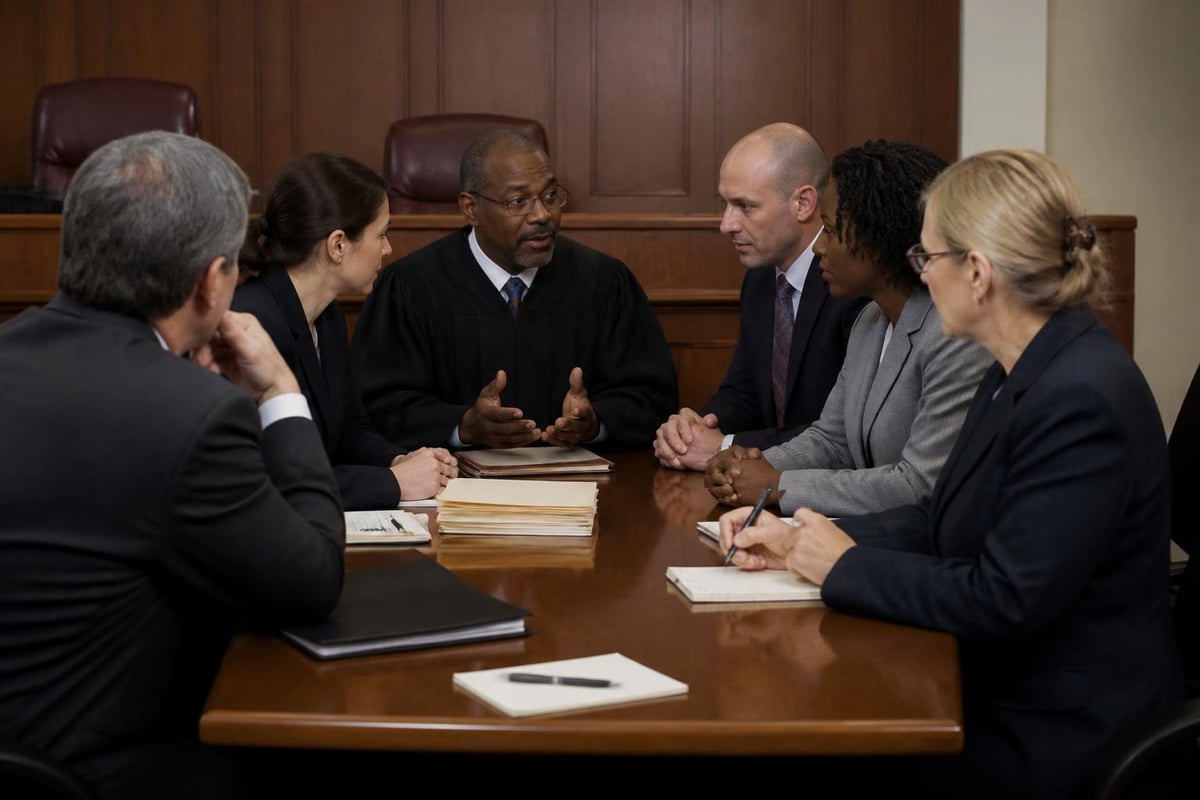
- Team-based approach including judges, prosecutors, defense attorneys, and mental health professionals
- Regular status hearings to monitor treatment progress
- Graduated sanctions and incentives based on compliance
- Connection to community-based treatment services
Research has shown that mental health courts are effective in reducing recidivism, with participants demonstrating lower rates of re-arrest compared to those processed through traditional courts.
Eligibility Requirements
Not every defendant qualifies for participation in a court for mental health program. Courts establish specific criteria to determine eligibility:
Diagnostic Criteria: Participants must typically have a diagnosed mental illness verified through professional evaluation. Mental health screening and assessment plays a crucial role in determining whether an individual meets the clinical requirements for participation.
Offense Type: Many programs exclude violent felonies or serious offenses, focusing instead on misdemeanors or lower-level felonies. Some jurisdictions have expanded eligibility to include more serious charges when mental illness significantly contributed to the offense.
Treatment Readiness: Candidates must demonstrate willingness to engage in treatment and comply with court requirements. This voluntary aspect ensures participants have motivation to complete the program successfully.
The Mental Health Court Process
Navigating a court for mental health involves several distinct phases, each designed to support recovery while maintaining legal accountability.
Assessment and Intake Phase
The journey begins with comprehensive evaluation. Defendants undergo psychiatric assessment to confirm mental health diagnoses and identify appropriate treatment needs. This phase typically includes:
- Clinical interviews with licensed mental health professionals
- Review of medical and psychiatric history
- Risk assessment for public safety considerations
- Treatment planning based on individual needs
- Determination of program eligibility
Professional evaluations provide the foundation for individualized treatment plans. Court-mandated evaluations require specialized expertise to ensure accurate diagnosis and appropriate recommendations.
Treatment and Supervision
Once accepted into the program, participants enter an intensive treatment phase. The court for mental health assigns each individual to appropriate services based on their specific needs.
| Treatment Component | Description | Frequency |
|---|---|---|
| Case Management | Coordination of services and resources | Weekly contact |
| Psychiatric Care | Medication management and monitoring | Monthly minimum |
| Counseling | Individual or group therapy sessions | 1-3 times weekly |
| Court Hearings | Progress reviews with judge | Bi-weekly to monthly |
| Substance Abuse Treatment | If co-occurring disorders present | As clinically indicated |
Participants must attend regular status hearings where judges review progress, address challenges, and modify treatment plans as needed. This ongoing judicial oversight creates accountability while providing support.
Compliance Monitoring
A court for mental health uses both sanctions and incentives to encourage program compliance. Judges may impose graduated consequences for violations, such as increased supervision or brief periods of detention. Conversely, participants earn rewards for positive progress, including reduced supervision requirements or earlier program graduation.

Benefits of Mental Health Courts
The advantages of a court for mental health extend beyond individual participants to benefit communities and the justice system as a whole.
Reduced Recidivism Rates
Studies consistently demonstrate that mental health courts reduce criminal recidivism compared to traditional prosecution. Participants receive treatment addressing the root causes of criminal behavior rather than temporary incarceration that fails to resolve underlying mental health conditions.
Research indicates that recidivism rates for mental health court graduates decrease by 20-40% compared to similar defendants processed through conventional courts. This reduction represents fewer victims, safer communities, and decreased burden on law enforcement resources.
Improved Clinical Outcomes
Beyond reducing arrests, a court for mental health produces measurable improvements in participants' mental health status. Regular treatment engagement leads to:
- Better symptom management through consistent medication compliance
- Increased insight into mental health conditions
- Development of coping strategies and life skills
- Reduced hospitalizations and emergency interventions
- Improved housing stability and employment outcomes
Understanding depression and its impacts highlights why consistent treatment matters. Mental health courts ensure participants maintain therapeutic relationships that might otherwise be interrupted by incarceration.
Cost Effectiveness
Operating a court for mental health costs significantly less than cycling individuals through repeated arrests, trials, and incarceration. Counties implementing these programs report substantial savings:
Incarceration costs average $80-100 per day per person, while community-based treatment through mental health courts costs approximately $40-60 per day. When multiplied across hundreds of participants over months or years, the financial savings become substantial.
Reduced emergency services utilization also contributes to cost savings. Participants with stable treatment access emergency rooms and crisis intervention services far less frequently than those without coordinated care.
Challenges and Considerations
While a court for mental health offers significant benefits, these programs also face operational and ethical challenges that jurisdictions must address.
Resource Limitations
Many communities lack adequate mental health treatment resources to support court programs effectively. Waiting lists for psychiatric care, limited availability of specialized services, and insufficient housing options create barriers to successful outcomes.
Research on short-term mental health court effectiveness suggests that programs must maintain sufficient treatment capacity to achieve positive results. Courts without strong community partnerships struggle to connect participants with necessary services.
Balancing Treatment and Coercion
Critics raise concerns about the voluntary nature of mental health court participation when defendants face incarceration as the alternative. The question of true consent becomes complex when choosing between treatment and jail.
Ethical frameworks require that a court for mental health maintains genuine voluntariness while recognizing the inherent power imbalance. Programs must ensure participants understand their options and make informed decisions about participation.
Ensuring Quality Treatment
Not all treatment programs provide evidence-based care appropriate for justice-involved individuals. A court for mental health must establish quality standards for contracted providers and monitor treatment fidelity.
Specialized training for mental health professionals working with court-involved populations ensures providers understand the unique challenges these clients face. Staying mentally healthy requires culturally competent, trauma-informed approaches tailored to individual circumstances.
Implementation Across Jurisdictions
Mental health court structures vary significantly based on local resources, population needs, and judicial philosophy.
Texas Mental Health Courts
Texas has established specific statutory guidelines for mental health courts, creating a framework that counties can adopt. These courts must meet certain criteria regarding team composition, participant eligibility, and treatment requirements.
Texas programs demonstrate how state-level support facilitates local implementation. Counties receive technical assistance, training resources, and guidance on best practices for establishing effective programs.
Variations in Program Models
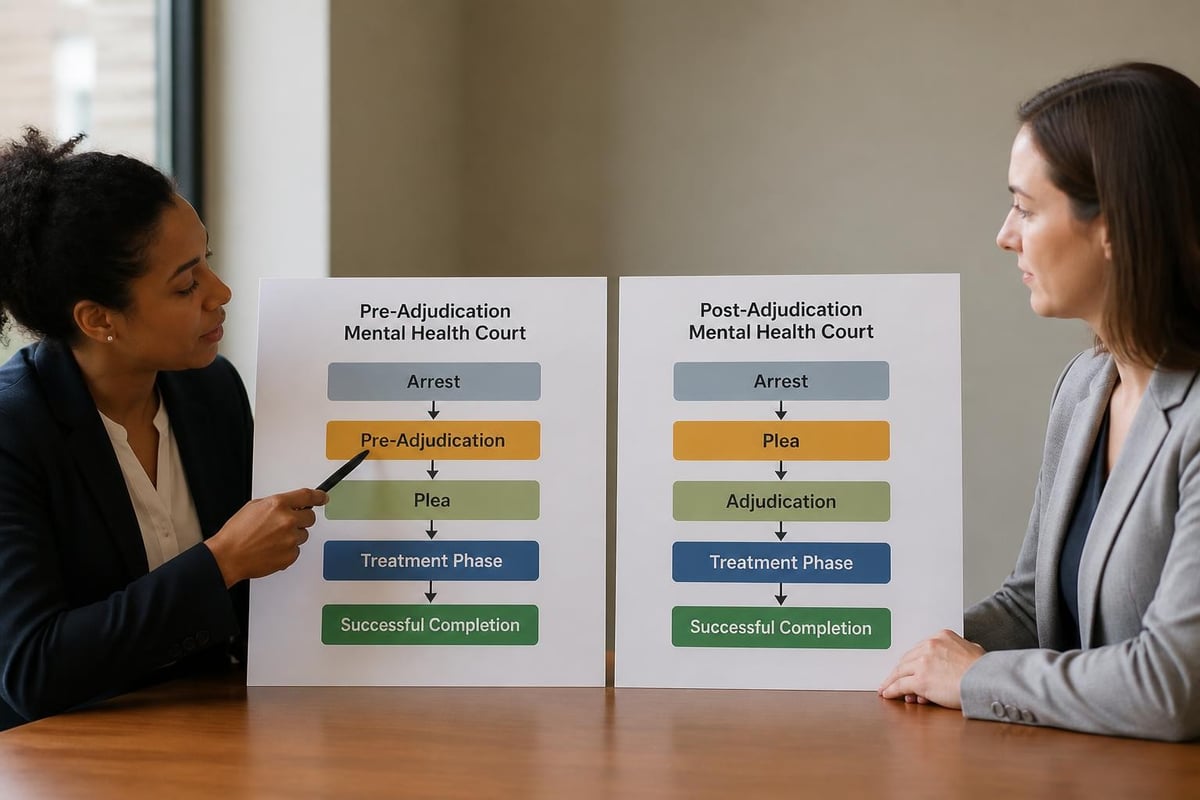
Different jurisdictions have developed distinct approaches to structuring a court for mental health:
Pre-adjudication models accept participants before plea agreements, with successful completion resulting in case dismissal. This approach provides strong motivation for engagement but requires careful screening to ensure public safety.
Post-adjudication models involve guilty pleas before participation, with sentences suspended pending program completion. These programs may accept higher-risk participants since convictions are already secured.
Hybrid approaches combine elements of both models, offering flexibility based on offense severity and individual circumstances.
The Role of Mental Health Professionals
Professional mental health providers serve essential functions within a court for mental health system, bridging clinical and legal domains.
Court-Mandated Evaluations
Comprehensive assessments determine eligibility and treatment needs. These evaluations require specialized expertise combining clinical knowledge with understanding of legal requirements.
Qualified professionals conduct thorough diagnostic assessments examining:
- Current psychiatric symptoms and functioning
- History of mental health treatment
- Substance use patterns and co-occurring disorders
- Risk factors for violence or self-harm
- Cognitive abilities and competency considerations
- Responsiveness to previous interventions
Accurate evaluation ensures appropriate program placement and realistic treatment planning. Using standardized assessment tools enhances reliability and validity of court-ordered evaluations.
Ongoing Treatment and Monitoring
Mental health professionals provide direct services to court for mental health participants throughout program involvement. Treatment teams develop individualized plans addressing specific needs while considering legal requirements.
Regular communication between treatment providers and court personnel ensures coordinated care. Professionals submit progress reports detailing attendance, engagement, symptom management, and any concerns requiring judicial attention.
Expert Testimony and Consultation
Clinicians may be called to provide expert testimony regarding participant progress, treatment recommendations, or termination decisions. This requires professionals to maintain objective clinical perspective while understanding legal implications of their testimony.
Supporting Co-Occurring Conditions
Many individuals in a court for mental health system face multiple challenges requiring integrated treatment approaches.
Substance Use Disorders
Co-occurring substance abuse and mental illness affect approximately 60-70% of mental health court participants. Effective programs address both conditions simultaneously rather than treating them separately.
Integrated treatment recognizes the complex relationship between mental illness and substance use. Participants learn how substances affect psychiatric symptoms while developing skills for managing both conditions.
Learning and Cognitive Disorders
Some participants struggle with learning disabilities or attention deficits that complicate treatment engagement. Courts must accommodate these needs through modified communication strategies, simplified instructions, and additional support services.
Screening for ADHD and other cognitive conditions ensures appropriate accommodations and realistic expectations for program compliance.
Trauma History
Trauma exposure significantly impacts mental health court populations. Many participants have experienced childhood adversity, victimization, or trauma related to military service. Trauma-informed approaches recognize how past experiences affect current behavior and treatment response.
Measuring Success and Outcomes
Evaluating a court for mental health requires examining multiple outcome domains beyond simple recidivism rates.
Clinical Improvement Metrics
Successful programs track psychiatric symptom reduction, medication adherence, and overall functioning improvements. Standardized measurement tools provide objective data on clinical progress.
Quality of life assessments capture changes in housing stability, employment, social relationships, and general well-being. These indicators demonstrate whether participation produces meaningful life improvements beyond reduced arrests.
Long-Term Follow-Up
Meta-analyses examining mental health court effectiveness emphasize the importance of tracking outcomes beyond program completion. Sustained benefits years after graduation provide stronger evidence of program impact than short-term results.
Courts should monitor graduates at 12, 24, and 36 months post-completion to assess lasting effects on criminal behavior and mental health stability.
Community Impact
Broader community benefits include reduced law enforcement contacts, decreased emergency service utilization, and improved public safety perceptions. A court for mental health contributes to community wellness when participants become stable, contributing members of society rather than cycling through crisis systems.
Future Directions and Innovations
Mental health court programs continue evolving based on emerging research and technological advances.
Telehealth Integration
Virtual treatment services expand access for participants in rural areas or those facing transportation barriers. A court for mental health can leverage telehealth for routine psychiatric appointments, counseling sessions, and even some court hearings.
Digital platforms also enable more frequent check-ins between formal court appearances, providing earlier identification of problems before they escalate to violations.
Specialized Populations
Some jurisdictions have developed courts targeting specific populations such as veterans, young adults, or individuals with co-occurring intellectual disabilities. These specialized dockets provide tailored approaches recognizing unique needs.
Programs serving immigrant and refugee families must incorporate cultural considerations and language accessibility into court for mental health services.
Data-Driven Decision Making
Advanced analytics help courts identify participants at highest risk for non-compliance, enabling proactive interventions. Predictive models inform resource allocation and treatment intensity decisions.
Research exploring the application of technology in mental health contexts suggests future opportunities for enhancing court for mental health operations through innovative tools while maintaining ethical safeguards.
A court for mental health represents a transformative approach to addressing the complex intersection of mental illness and criminal justice involvement. By prioritizing treatment, accountability, and recovery, these specialized programs create pathways toward stability that traditional prosecution cannot achieve. Whether you need comprehensive evaluations for court-mandated proceedings, substance abuse assessments, or specialized mental health services, Alquimedez Mental Health Counseling provides expert clinical services tailored to justice-involved individuals. Our experienced professionals understand the unique requirements of legal settings while maintaining a commitment to compassionate, evidence-based care that supports lasting recovery.
{
  "@context": "https://schema.org",
  "@graph": [
    {
      "@type": "Article",
      "headline": "Court for Mental Health: Understanding Specialized Courts",
      "description": "Learn how court for mental health programs provide alternatives to incarceration, reduce recidivism, and connect individuals with treatment services.",
      "image": "https://www.alquimedez.com/mental-health-court-featured-image.jpg",
      "author": {
        "@type": "Organization",
        "name": "Alquimedez Mental Health Counseling"
      },
      "publisher": {
        "@type": "Organization",
        "name": "Alquimedez Mental Health Counseling",
        "logo": {
          "@type": "ImageObject",
          "url": "https://www.alquimedez.com/logo.png"
        }
      },
      "datePublished": "2026-06-06",
      "dateModified": "2026-06-06",
      "mainEntityOfPage": {
        "@type": "WebPage",
        "@id": "https://www.alquimedez.com/court-for-mental-health"
      }
    },
    {
      "@type": "FAQPage",
      "mainEntity": [
        {
          "@type": "Question",
          "name": "What is a court for mental health?",
          "acceptedAnswer": {
            "@type": "Answer",
            "text": "A court for mental health is a specialized judicial program designed to address cases involving individuals with mental illness. These courts focus on connecting participants with treatment resources rather than simply imposing sentences, prioritizing recovery and accountability over incarceration."
          }
        },
        {
          "@type": "Question",
          "name": "Who is eligible for mental health court?",
          "acceptedAnswer": {
            "@type": "Answer",
            "text": "Eligibility typically requires a diagnosed mental illness, voluntary participation, and often involves misdemeanor or lower-level felony charges. Candidates must demonstrate willingness to engage in treatment and comply with court requirements."
          }
        },
        {
          "@type": "Question",
          "name": "Do mental health courts reduce recidivism?",
          "acceptedAnswer": {
            "@type": "Answer",
            "text": "Yes, research consistently shows that mental health courts reduce recidivism by 20-40% compared to traditional prosecution. Participants receive treatment addressing the root causes of criminal behavior, leading to better long-term outcomes."
          }
        },
        {
          "@type": "Question",
          "name": "What happens if someone fails mental health court?",
          "acceptedAnswer": {
            "@type": "Answer",
            "text": "Participants who fail to comply with program requirements may face graduated sanctions including increased supervision, brief detention periods, or program termination. Those terminated typically return to traditional criminal court processing for their original charges."
          }
        }
      ]
    },
    {
      "@type": "LocalBusiness",
      "name": "Alquimedez Mental Health Counseling",
      "description": "Comprehensive mental health services including assessments for substance abuse, court-mandated evaluations, and immigration-related psychological evaluations.",
      "@id": "https://www.alquimedez.com",
      "url": "https://www.alquimedez.com",
      "telephone": "",
      "address": {
        "@type": "PostalAddress",
        "addressLocality": "",
        "addressRegion": "",
        "addressCountry": "US"
      },
      "image": "https://www.alquimedez.com/logo.png",
      "priceRange": "$$",
      "openingHoursSpecification": [
        {
          "@type": "OpeningHoursSpecification",
          "dayOfWeek": [
            "Monday",
            "Tuesday",
            "Wednesday",
            "Thursday",
            "Friday"
          ],
          "opens": "09:00",
          "closes": "17:00"
        }
      ]
    }
  ]
}