

Understanding the mental disorder bipolar requires recognizing it as more than just mood swings. This complex condition affects millions of people worldwide, causing dramatic shifts in mood, energy, and the ability to function in daily life. Bipolar disorder represents a serious mental health condition that demands professional intervention, comprehensive assessment, and ongoing support. For individuals seeking court-mandated evaluations, immigration psychological assessments, or general mental health services, identifying and treating this condition becomes essential for long-term wellness and legal compliance.
What Defines the Mental Disorder Bipolar
The mental disorder bipolar, officially termed bipolar disorder, involves extreme mood episodes that cycle between manic or hypomanic highs and depressive lows. These episodes significantly disrupt personal relationships, work performance, and overall quality of life.
According to the National Institute of Mental Health, approximately 2.8% of U.S. adults experience bipolar disorder in any given year. This prevalence underscores the importance of accurate diagnosis and appropriate intervention.
Types of Bipolar Disorder
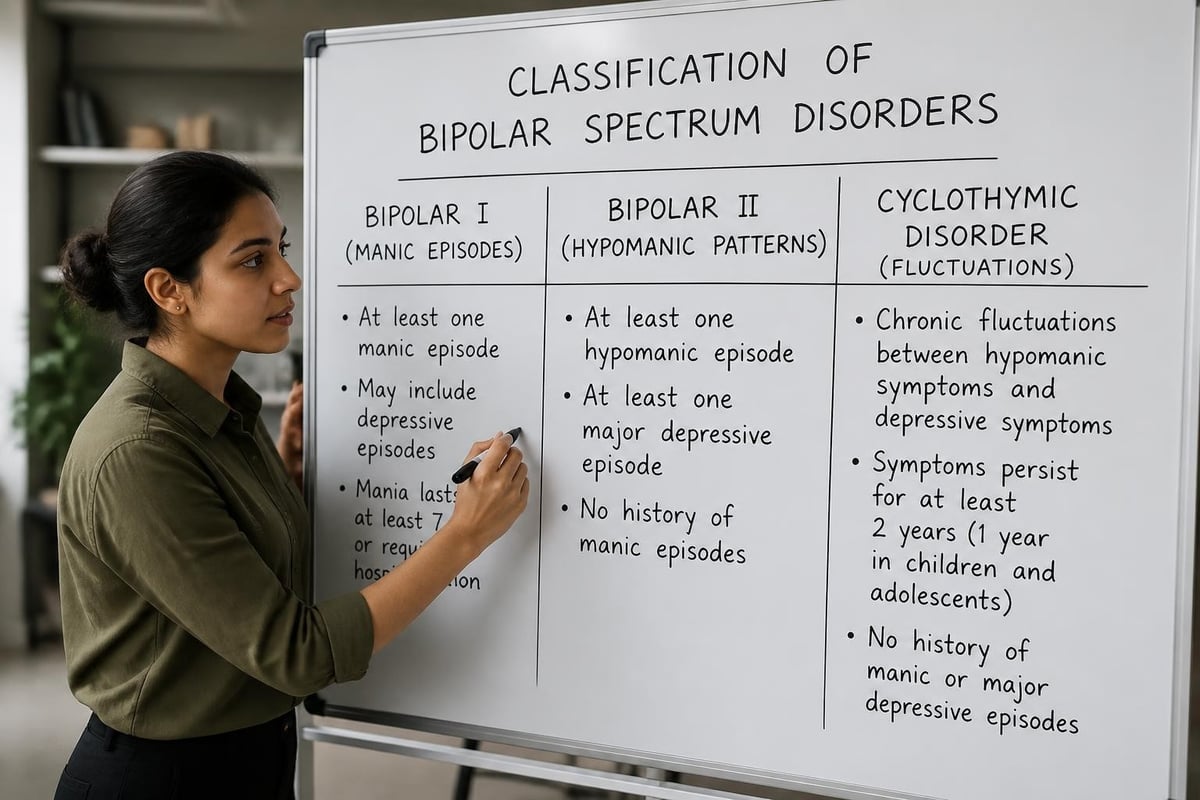
Mental health professionals classify bipolar disorder into several distinct categories:
- Bipolar I Disorder involves at least one manic episode lasting seven days or requiring hospitalization
- Bipolar II Disorder features hypomanic episodes alternating with major depressive episodes
- Cyclothymic Disorder presents with chronic fluctuating mood disturbances over at least two years
- Other Specified and Unspecified Bipolar Disorders include symptoms that don't match the other categories
Each type requires different treatment approaches and presents unique challenges for diagnosis. Professional mental health assessments can distinguish between these variations and guide appropriate care.
Recognizing Symptoms Across Mood Episodes
The mental disorder bipolar manifests through distinct symptom patterns depending on whether an individual experiences a manic, hypomanic, or depressive episode. Recognition of these patterns supports early intervention.
Manic Episode Indicators
Manic episodes represent periods of abnormally elevated, expansive, or irritable mood. Key symptoms include:
- Decreased need for sleep without feeling tired
- Racing thoughts and rapid speech patterns
- Inflated self-esteem or grandiosity
- Increased goal-directed activity or agitation
- Engaging in risky behaviors with potential negative consequences
- Difficulty concentrating or easily distracted
- Excessive involvement in pleasurable activities
These symptoms persist most of the day, nearly every day, for at least one week. The severity often impairs social or occupational functioning significantly.
Depressive Episode Characteristics
Depressive episodes in mental disorder bipolar mirror major depression symptoms:
- Persistent sad, empty, or hopeless feelings
- Loss of interest in previously enjoyed activities
- Significant weight changes or appetite fluctuations
- Sleep disturbances (insomnia or hypersomnia)
- Fatigue and energy loss
- Feelings of worthlessness or excessive guilt
- Concentration difficulties and indecisiveness
- Recurrent thoughts of death or suicide
The World Health Organization reports that bipolar disorder affects approximately 45 million people globally, making it a significant public health concern.
| Episode Type | Duration | Key Features | Functional Impact |
|---|---|---|---|
| Manic | 7+ days | Elevated mood, decreased sleep, risky behavior | Severe impairment, possible hospitalization |
| Hypomanic | 4+ days | Similar to manic but less severe | Noticeable but not severely impairing |
| Depressive | 2+ weeks | Low mood, fatigue, hopelessness | Significant difficulty with daily tasks |
Diagnostic Process and Professional Assessment
Accurate diagnosis of the mental disorder bipolar requires comprehensive evaluation by qualified mental health professionals. The diagnostic process involves multiple components to ensure precision.
Clinical Interview and History
Mental health clinicians conduct thorough interviews examining:
- Current symptoms and their duration
- Family history of mental health conditions
- Previous mood episodes and patterns
- Medical history and current medications
- Substance use history
- Impact on relationships and functioning
This detailed exploration helps differentiate bipolar disorder from other conditions with overlapping symptoms. Comprehensive mental health services provide the structured environment necessary for accurate assessment.
Standardized Assessment Tools
Professionals employ various validated instruments to evaluate symptoms systematically. These tools measure mood severity, episode frequency, and functional impairment objectively.
The MedlinePlus overview emphasizes that proper diagnosis requires ruling out medical conditions that can mimic bipolar symptoms, including thyroid disorders, neurological conditions, and medication side effects.

Treatment Approaches for Mental Disorder Bipolar
Managing the mental disorder bipolar effectively requires a multifaceted approach combining medication, psychotherapy, and lifestyle modifications. Treatment plans must be individualized based on symptom severity, episode type, and personal circumstances.
Pharmacological Interventions
Medication forms the foundation of bipolar disorder treatment:
- Mood Stabilizers prevent manic and depressive episodes (lithium, valproate)
- Atypical Antipsychotics manage acute manic symptoms and maintenance
- Antidepressants address depressive episodes (always combined with mood stabilizers)
- Anti-anxiety Medications provide short-term relief during acute episodes
Medication management requires ongoing monitoring for effectiveness and side effects. Some individuals explore supplement options as complementary support, though any additions should be discussed with healthcare providers to avoid interactions.
Psychotherapeutic Support
Evidence-based therapy approaches significantly enhance treatment outcomes:
Cognitive Behavioral Therapy (CBT) helps individuals identify thought patterns that trigger mood episodes and develop coping strategies. This structured approach addresses negative thinking and behavioral patterns.
Interpersonal and Social Rhythm Therapy (IPSRT) focuses on stabilizing daily routines and sleep schedules. Regular patterns support mood stability in people with mental disorder bipolar.
Family-Focused Therapy involves family members in treatment, improving communication and problem-solving skills. This approach recognizes that bipolar disorder affects entire family systems.
Psychoeducation provides essential information about the condition, treatment options, and self-management strategies. Understanding the disorder empowers individuals to participate actively in their care.
Lifestyle Modifications and Self-Management
Daily habits significantly influence mood stability:
- Maintaining consistent sleep schedules
- Avoiding alcohol and recreational drugs
- Exercising regularly for mood regulation
- Monitoring mood patterns and triggers
- Building strong support networks
- Managing stress through relaxation techniques
These practices complement professional treatment and reduce episode frequency. Mental health resources offer additional guidance for implementing sustainable lifestyle changes.
Special Considerations in Assessment Contexts
The mental disorder bipolar presents unique challenges in specific assessment situations including court-mandated evaluations, immigration proceedings, and workplace accommodations.
Court-Mandated Evaluations
Legal contexts require precise documentation of how bipolar disorder impacts behavior, decision-making, and legal capacity. Evaluators must distinguish between actions influenced by mental illness versus intentional choices.
Comprehensive forensic assessments examine:
- Symptom history during relevant time periods
- Treatment compliance and response
- Impact on judgment and impulse control
- Risk assessment for future episodes
- Rehabilitation potential and prognosis
These evaluations inform judicial decisions while protecting individual rights. Specialized assessment services provide the rigor necessary for legal proceedings.
Immigration Psychological Evaluations
Immigration cases involving individuals with mental disorder bipolar require thorough documentation of:
- Diagnosis and treatment history
- Current symptom management and stability
- Impact of potential deportation on mental health
- Access to treatment in country of origin
- Family support systems and their role
The Substance Abuse and Mental Health Services Administration emphasizes the importance of continuity of care for individuals with serious mental illness.
Co-Occurring Conditions and Complications
The mental disorder bipolar frequently occurs alongside other mental health conditions, complicating diagnosis and treatment. Understanding these relationships improves outcomes.
Substance Use Disorders
Approximately 60% of individuals with bipolar disorder develop substance use problems during their lifetime. Substances may be used to self-medicate symptoms or result from impulsive behavior during manic episodes.
Integrated treatment addressing both conditions simultaneously produces better outcomes than sequential treatment. Substance abuse assessments identify co-occurring disorders requiring specialized intervention.
Anxiety Disorders
Anxiety disorders commonly accompany mental disorder bipolar, affecting treatment response and quality of life. Symptoms may include:
- Generalized anxiety about daily events
- Panic attacks triggered by stress
- Social anxiety impairing relationships
- Obsessive-compulsive patterns
Treatment plans must address both conditions comprehensively rather than treating them as separate issues.
Attention Difficulties
Many individuals with bipolar disorder experience attention and executive function challenges that persist between mood episodes. These difficulties may warrant additional screening to guide appropriate interventions.
| Co-Occurring Condition | Prevalence in Bipolar | Impact on Treatment | Assessment Priority |
|---|---|---|---|
| Substance Use Disorder | 40-60% | Complicates medication management | High |
| Anxiety Disorders | 50-75% | Increases episode severity | High |
| ADHD | 10-20% | Affects daily functioning | Medium |
| Eating Disorders | 5-15% | Requires specialized intervention | Medium |

The Role of Support Systems
Family members, friends, and professional support networks play crucial roles in managing the mental disorder bipolar effectively. Recovery rarely occurs in isolation.
Family Education and Involvement
Families benefit from understanding:
- Warning signs of emerging episodes
- How to communicate during mood episodes
- When to seek emergency intervention
- The importance of treatment adherence
- Self-care strategies for caregivers
Educational programs equip families with knowledge and skills to provide effective support without enabling unhealthy behaviors.
Professional Support Teams
Comprehensive care involves coordinated efforts from:
- Psychiatrists managing medication
- Therapists providing psychotherapy
- Primary care physicians monitoring physical health
- Case managers coordinating services
- Peer support specialists sharing lived experience
This multidisciplinary approach addresses the complexity of mental disorder bipolar from multiple angles simultaneously.
Workplace Considerations and Accommodations
The mental disorder bipolar can impact work performance, but many individuals maintain successful careers with appropriate support and accommodations.
Reasonable Workplace Modifications
Effective accommodations might include:
- Flexible scheduling for medical appointments
- Quiet workspace reducing sensory stimulation
- Modified break schedules for medication timing
- Clear, written instructions for complex tasks
- Regular check-ins with supervisors
These modifications enable productivity while respecting medical needs. Corporate training programs help employers understand mental health conditions and legal obligations.
Disclosure Decisions
Individuals face complex decisions about disclosing their condition to employers. Factors to consider include:
- Legal protections under the Americans with Disabilities Act
- Potential impact on career advancement
- Benefits of workplace support versus privacy concerns
- Severity of symptoms affecting work performance
Professional guidance helps individuals navigate these decisions strategically.
Long-Term Management and Prognosis
The mental disorder bipolar represents a chronic condition requiring ongoing management rather than a temporary illness with complete cure. Understanding this reality shapes realistic expectations.
Medication Adherence Challenges
Many individuals discontinue medication during periods of stability, often leading to relapse. Common reasons include:
- Side effect concerns
- Missing the elevated mood of hypomania
- Stigma about medication dependence
- Financial barriers to treatment
- Lack of perceived benefit
Addressing these barriers through education and support improves long-term outcomes. The National Institute of Mental Health statistics indicate that consistent treatment significantly reduces episode frequency and severity.
Monitoring and Prevention
Effective long-term management involves:
- Regular psychiatric appointments
- Mood tracking through journals or apps
- Recognizing early warning signs
- Adjusting treatment as needed
- Maintaining healthy lifestyle habits
Prevention strategies cannot eliminate all episodes but substantially reduce their frequency and intensity.
Crisis Intervention and Emergency Response
Despite best efforts, some individuals with mental disorder bipolar experience severe episodes requiring immediate intervention. Knowing when and how to seek help protects safety.
Warning Signs Requiring Immediate Attention
Emergency intervention becomes necessary when individuals exhibit:
- Suicidal thoughts or plans
- Psychotic symptoms (hallucinations, delusions)
- Severe manic behavior risking safety
- Complete inability to care for basic needs
- Threatening harm to others
These situations demand professional crisis intervention rather than waiting for regular appointments.
Emergency Resources and Planning
Advance planning facilitates effective crisis response:
- Identifying emergency contacts and preferred hospitals
- Creating crisis plans during stable periods
- Understanding involuntary commitment laws
- Documenting medication lists and treatment providers
- Establishing communication protocols with family
International crisis consulting services provide specialized support for complex situations requiring coordinated intervention across multiple systems.
Understanding and managing the mental disorder bipolar requires comprehensive assessment, evidence-based treatment, and ongoing support from qualified professionals. Whether you need court-mandated evaluations, immigration psychological assessments, or general mental health services, accessing specialized expertise makes a significant difference in treatment outcomes and quality of life. Alquimedez Mental Health Counseling provides comprehensive evaluations and treatment planning for individuals navigating bipolar disorder and co-occurring conditions, offering the professional support necessary for long-term stability and wellness.
{
  "@context": "https://schema.org",
  "@graph": [
    {
      "@type": "Article",
      "headline": "Mental Disorder Bipolar: Symptoms, Treatment & Support",
      "description": "Comprehensive guide to understanding mental disorder bipolar including symptoms, treatment options, assessment processes, and professional support services.",
      "image": "https://www.alquimedez.com/images/bipolar-disorder-treatment.jpg",
      "author": {
        "@type": "Organization",
        "name": "Alquimedez Mental Health Counseling",
        "url": "https://www.alquimedez.com"
      },
      "publisher": {
        "@type": "Organization",
        "name": "Alquimedez Mental Health Counseling",
        "logo": {
          "@type": "ImageObject",
          "url": "https://www.alquimedez.com/logo.jpg"
        }
      },
      "datePublished": "2026-08-08",
      "dateModified": "2026-08-08",
      "mainEntityOfPage": {
        "@type": "WebPage",
        "@id": "https://www.alquimedez.com/mental-disorder-bipolar"
      }
    },
    {
      "@type": "FAQPage",
      "mainEntity": [
        {
          "@type": "Question",
          "name": "What is mental disorder bipolar?",
          "acceptedAnswer": {
            "@type": "Answer",
            "text": "Mental disorder bipolar, officially termed bipolar disorder, involves extreme mood episodes that cycle between manic or hypomanic highs and depressive lows. These episodes significantly disrupt personal relationships, work performance, and overall quality of life."
          }
        },
        {
          "@type": "Question",
          "name": "What are the types of bipolar disorder?",
          "acceptedAnswer": {
            "@type": "Answer",
            "text": "Bipolar disorder is classified into Bipolar I Disorder (with manic episodes), Bipolar II Disorder (with hypomanic and depressive episodes), Cyclothymic Disorder (chronic fluctuating moods), and Other Specified and Unspecified Bipolar Disorders."
          }
        },
        {
          "@type": "Question",
          "name": "How is mental disorder bipolar treated?",
          "acceptedAnswer": {
            "@type": "Answer",
            "text": "Treatment for mental disorder bipolar includes medication (mood stabilizers, antipsychotics, antidepressants), psychotherapy (CBT, IPSRT, family therapy), and lifestyle modifications including consistent sleep schedules, exercise, and stress management."
          }
        },
        {
          "@type": "Question",
          "name": "What are the symptoms of manic episodes in bipolar disorder?",
          "acceptedAnswer": {
            "@type": "Answer",
            "text": "Manic episode symptoms include decreased need for sleep, racing thoughts, inflated self-esteem, increased activity, engaging in risky behaviors, difficulty concentrating, and rapid speech patterns lasting at least one week."
          }
        }
      ]
    },
    {
      "@type": "LocalBusiness",
      "name": "Alquimedez Mental Health Counseling",
      "description": "Comprehensive mental health services including assessments for substance abuse, court-mandated evaluations, immigration-related psychological evaluations, and specialized consulting services.",
      "@id": "https://www.alquimedez.com",
      "url": "https://www.alquimedez.com",
      "telephone": "",
      "address": {
        "@type": "PostalAddress",
        "addressLocality": "",
        "addressRegion": "",
        "addressCountry": "US"
      },
      "priceRange": "$$",
      "openingHoursSpecification": {
        "@type": "OpeningHoursSpecification",
        "dayOfWeek": [
          "Monday",
          "Tuesday",
          "Wednesday",
          "Thursday",
          "Friday"
        ],
        "opens": "09:00",
        "closes": "17:00"
      }
    },
    {
      "@type": "MedicalCondition",
      "name": "Bipolar Disorder",
      "alternateName": "Mental Disorder Bipolar",
      "associatedAnatomy": {
        "@type": "AnatomicalStructure",
        "name": "Brain"
      },
      "signOrSymptom": [
        {
          "@type": "MedicalSymptom",
          "name": "Manic Episodes"
        },
        {
          "@type": "MedicalSymptom",
          "name": "Depressive Episodes"
        },
        {
          "@type": "MedicalSymptom",
          "name": "Mood Swings"
        }
      ],
      "possibleTreatment": [
        {
          "@type": "MedicalTherapy",
          "name": "Medication Management"
        },
        {
          "@type": "MedicalTherapy",
          "name": "Psychotherapy"
        },
        {
          "@type": "MedicalTherapy",
          "name": "Lifestyle Modifications"
        }
      ]
    }
  ]
}