

Mental health challenges affect millions of Americans each year, with mind disorders representing a broad spectrum of conditions that impact thinking, mood, behavior, and overall functioning. Understanding these conditions is essential for proper diagnosis, effective treatment, and supporting those navigating mental health challenges. Professional mental health services provide comprehensive assessments and evidence-based interventions that help individuals manage symptoms, improve quality of life, and achieve meaningful recovery. Whether seeking support for personal concerns, court-mandated evaluations, or immigration-related assessments, recognizing the complexity of mind disorders is the first step toward effective treatment.
Classification Systems for Mind Disorders
The mental health field relies on standardized classification systems to identify and diagnose mind disorders accurately. The Diagnostic and Statistical Manual of Mental Disorders, Fifth Edition (DSM-5) serves as the primary diagnostic reference used by mental health professionals throughout the United States. This comprehensive manual provides specific criteria for hundreds of conditions, enabling clinicians to make consistent, reliable diagnoses.
Traditional Diagnostic Frameworks
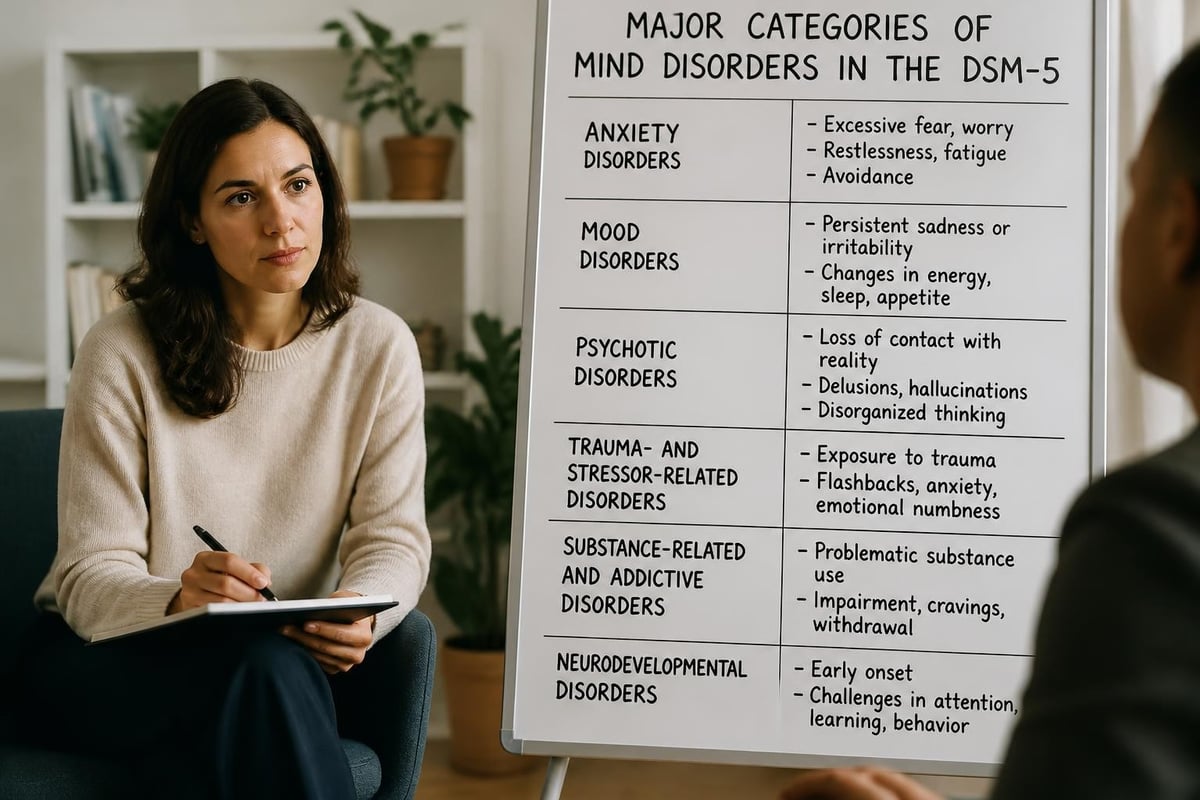
Mental health professionals utilize multiple approaches when evaluating mind disorders. The DSM-5 organizes conditions into categories based on shared features, symptoms, and underlying causes. Major categories include anxiety disorders, mood disorders, psychotic disorders, trauma-related conditions, substance use disorders, and neurodevelopmental disorders.
The International Classification of Diseases (ICD) offers another standardized system used globally for medical coding and insurance purposes. While the DSM-5 provides detailed diagnostic criteria, the ICD system facilitates communication across healthcare systems and ensures accurate billing for mental health services.
Modern Research Approaches
The Research Domain Criteria (RDoC) framework represents an innovative approach to studying mind disorders beyond traditional diagnostic categories. This system examines mental health conditions through dimensions of observable behavior, neurobiological measures, and psychological processes. The RDoC initiative aims to improve diagnosis and treatment by understanding the underlying mechanisms of mental health challenges rather than relying solely on symptom-based classification.
Different approaches to classification reflect the evolving understanding of mind disorders as complex conditions influenced by biological, psychological, and environmental factors. Research continues to explore various frameworks for categorizing and understanding mental health conditions.
Common Categories of Mind Disorders
Mind disorders encompass numerous specific conditions, each with unique characteristics, symptoms, and treatment requirements. Understanding these categories helps individuals recognize when professional evaluation may be beneficial.
Mood and Anxiety Disorders
Mood disorders affect emotional regulation and include conditions such as major depressive disorder, bipolar disorder, and persistent depressive disorder. These conditions involve sustained periods of sadness, hopelessness, elevated mood, or irritability that significantly impair daily functioning. Approximately 21 million American adults experienced at least one major depressive episode in 2025, highlighting the prevalence of mood-related mind disorders.
Anxiety disorders represent another common category, characterized by excessive fear, worry, and related behavioral disturbances. Generalized anxiety disorder, panic disorder, social anxiety disorder, and specific phobias fall within this classification. These conditions often co-occur with mood disorders and require specialized assessment to differentiate symptoms and develop appropriate treatment plans.
Psychotic and Thought Disorders
Psychotic disorders involve disruptions in thinking, perception, and reality testing. Schizophrenia spectrum disorders represent the most recognized conditions in this category, featuring symptoms such as hallucinations, delusions, disorganized thinking, and negative symptoms like reduced emotional expression. Early intervention and comprehensive treatment significantly improve outcomes for individuals experiencing psychotic mind disorders.
Thought disorders may also manifest in other contexts, including during severe mood episodes or following traumatic experiences. Professional evaluation helps distinguish primary psychotic disorders from secondary symptoms associated with other mental health conditions.
Trauma-Related Conditions
Post-traumatic stress disorder (PTSD) and acute stress disorder develop following exposure to traumatic events. These mind disorders involve intrusive memories, avoidance behaviors, negative alterations in cognition and mood, and heightened arousal symptoms. Trauma-related conditions commonly arise in contexts requiring court-mandated mental health evaluations or following experiences of violence, accidents, or life-threatening situations.
Developmental trauma and complex PTSD represent variations affecting individuals who experienced prolonged or repeated traumatic experiences, particularly during childhood. These conditions require specialized therapeutic approaches addressing both trauma symptoms and broader psychological impacts.
| Disorder Category | Key Features | Common Symptoms | Typical Treatment Approaches |
|---|---|---|---|
| Mood Disorders | Emotional dysregulation | Depression, mania, mood swings | Psychotherapy, medication, lifestyle changes |
| Anxiety Disorders | Excessive fear/worry | Panic, avoidance, physical tension | CBT, exposure therapy, medication |
| Psychotic Disorders | Reality distortion | Hallucinations, delusions | Antipsychotics, supportive therapy |
| Trauma Disorders | Post-traumatic symptoms | Flashbacks, hypervigilance, avoidance | Trauma-focused therapy, EMDR |
Assessment and Diagnosis Processes
Accurate diagnosis of mind disorders requires comprehensive evaluation by qualified mental health professionals. The assessment process combines multiple information sources to develop a complete understanding of presenting concerns.
Initial Evaluation Components
Professional mental health assessments begin with detailed clinical interviews exploring current symptoms, personal history, family background, medical conditions, and substance use patterns. Mental health counselors gather information about symptom onset, duration, severity, and impact on daily functioning. This foundational information guides subsequent assessment activities.
Standardized assessment instruments provide objective measures of symptom severity and functional impairment. These tools include self-report questionnaires, structured diagnostic interviews, and clinician-rated scales. Comprehensive mental health assessments may also incorporate cognitive testing, personality assessment, and specialized evaluations for specific concerns.
Specialized Evaluation Contexts
Certain situations require specialized assessment approaches tailored to specific purposes. Court-mandated evaluations assess competency, risk factors, and treatment needs within legal contexts. These evaluations follow strict protocols ensuring reliability, validity, and admissibility in legal proceedings.
Immigration-related psychological evaluations document mental health conditions, trauma histories, and treatment needs for individuals navigating immigration processes. These specialized assessments require cultural competency and understanding of how mind disorders manifest across diverse populations.

Substance abuse assessments evaluate patterns of use, dependence, and co-occurring mental health conditions. Many individuals with mind disorders also struggle with substance use, requiring integrated treatment addressing both concerns simultaneously.
Differential Diagnosis Considerations
Accurate diagnosis requires distinguishing between conditions with overlapping symptoms. Many mind disorders share common features such as sleep disturbances, concentration difficulties, or mood changes. Mental health professionals consider multiple diagnostic possibilities, ruling out alternative explanations through systematic evaluation.
Medical conditions, medication effects, and substance use can produce symptoms mimicking primary mind disorders. Comprehensive assessment includes review of medical history, current medications, and substance use patterns to identify potential physiological contributors to presenting symptoms.
Treatment Approaches and Interventions
Effective treatment for mind disorders typically involves multimodal approaches combining evidence-based therapies, medication management when appropriate, and supportive interventions addressing broader life circumstances.
Psychotherapeutic Interventions
Cognitive-behavioral therapy (CBT) represents the most extensively researched psychotherapy approach for mind disorders. CBT helps individuals identify and modify unhelpful thought patterns, develop coping skills, and change behaviors maintaining psychological distress. This structured, goal-oriented therapy demonstrates effectiveness for anxiety disorders, depression, PTSD, and numerous other conditions.
Additional therapeutic approaches include:
- Dialectical behavior therapy for emotion regulation difficulties
- Interpersonal therapy addressing relationship patterns contributing to symptoms
- Psychodynamic therapy exploring unconscious patterns and past experiences
- Acceptance and commitment therapy promoting psychological flexibility
- Family therapy involving loved ones in treatment process
Treatment selection depends on specific mind disorders, individual preferences, and evidence supporting particular approaches for specific conditions. Many mental health professionals integrate techniques from multiple therapeutic modalities tailored to unique client needs.
Medication Management
Psychotropic medications play important roles in treating many mind disorders. Antidepressants, mood stabilizers, antipsychotics, and anti-anxiety medications help manage symptoms, improving functioning and quality of life. Medication decisions require careful evaluation of potential benefits, side effects, and individual health factors.
Integrated care models combining psychotherapy and medication management produce optimal outcomes for moderate to severe mind disorders. Regular monitoring ensures medications remain effective while minimizing adverse effects. Collaborative decision-making between clients and providers supports medication adherence and treatment satisfaction.
Holistic and Supportive Interventions
Comprehensive treatment for mind disorders extends beyond traditional therapy and medication. Lifestyle interventions including regular exercise, adequate sleep, nutritious diet, and stress management techniques support mental health recovery. Maintaining a healthy mind requires attention to physical health, social connections, and meaningful activities.
Supportive services may include case management, vocational rehabilitation, peer support groups, and community resources. These interventions address practical challenges associated with mind disorders, such as employment difficulties, housing instability, or social isolation.
Special Populations and Considerations
Mind disorders affect diverse populations with unique needs requiring culturally responsive, developmentally appropriate interventions.
Gender-Specific Factors
Research indicates significant gender differences in prevalence, presentation, and treatment response across various mind disorders. Women experience higher rates of depression and anxiety disorders, while men show higher prevalence of substance use disorders and antisocial personality disorder. Hormonal factors, social expectations, and trauma exposure patterns contribute to these differences.
Gender-responsive treatment considers how societal factors, relationship patterns, and biological differences influence mental health. Trauma-informed approaches recognize the high prevalence of gender-based violence and its impact on psychological wellbeing.
Developmental Considerations
Mind disorders manifest differently across the lifespan. Developmental disorders emerge during childhood and adolescence, affecting learning, behavior, and social functioning. Conditions such as attention-deficit/hyperactivity disorder, autism spectrum disorder, and learning disabilities require early identification and intervention.
Older adults face unique mental health challenges including late-onset depression, anxiety related to health concerns, and cognitive decline. Age-appropriate assessment distinguishes normal aging from pathological processes requiring intervention.
Cultural and Linguistic Factors
Cultural background significantly influences how individuals experience, express, and seek help for mind disorders. Symptoms may manifest differently across cultures, with some emphasizing physical complaints while others focus on emotional distress. Mental health professionals must demonstrate cultural competency, understanding diverse perspectives on mental health and healing.
Language barriers, immigration stress, and acculturation challenges affect mental health service access and utilization. Bilingual services and culturally adapted interventions improve engagement and outcomes for diverse communities.

Emerging Trends and Future Directions
The mental health field continues evolving, with advances in neuroscience, technology, and treatment approaches expanding options for addressing mind disorders.
Technology-Enhanced Care
Telehealth services have transformed mental health care delivery, increasing access for individuals in rural areas, those with mobility limitations, or those preferring remote services. Video-based therapy sessions demonstrate comparable effectiveness to in-person treatment for many mind disorders. Digital mental health tools including smartphone applications, online self-help programs, and virtual reality exposure therapy supplement traditional interventions.
Emerging technologies enable continuous symptom monitoring, early intervention when warning signs appear, and personalized treatment adjustments based on real-time data. These innovations promise to enhance treatment precision and responsiveness.
Precision Medicine Approaches
Research increasingly recognizes heterogeneity within diagnostic categories, with individuals receiving the same diagnosis experiencing different underlying mechanisms and responding differently to treatments. Precision medicine aims to match individuals with optimal interventions based on genetic, neurobiological, and psychological characteristics.
Innovative research frameworks examine biological markers, brain imaging findings, and treatment response patterns to identify subtypes within traditional diagnostic categories. These advances may enable more targeted, effective interventions for specific mind disorders.
Integrated and Collaborative Care Models
Healthcare systems increasingly recognize the importance of integrating mental health services with primary care, substance abuse treatment, and specialty medical services. Collaborative care models position mental health professionals within primary care settings, facilitating early identification and treatment of mind disorders. This integration reduces stigma, improves access, and addresses the bidirectional relationships between physical and mental health.
Multidisciplinary teams including psychiatrists, psychologists, counselors, social workers, peer specialists, and primary care providers collaborate to deliver comprehensive, coordinated care. Team-based approaches prove particularly effective for complex cases involving multiple co-occurring conditions.
Recovery and Long-Term Management
Recovery from mind disorders represents an ongoing process rather than a fixed endpoint. Many individuals achieve significant symptom improvement, restored functioning, and enhanced quality of life through appropriate treatment and support.
Recovery-Oriented Principles
Contemporary mental health services emphasize recovery-oriented care recognizing each individual's capacity for growth and wellness. Recovery-focused approaches prioritize:
- Hope and optimism about possibilities for improvement
- Person-centered care respecting individual goals and preferences
- Empowerment through shared decision-making and self-management skills
- Holistic attention to all life domains beyond symptom reduction
- Peer support connecting individuals with lived experience
Recovery looks different for each person, encompassing symptom management, functional improvement, meaningful relationships, purposeful activities, and personal growth. Mental health professionals support individuals in defining and pursuing their unique recovery paths.
Relapse Prevention and Wellness Maintenance
Long-term management of mind disorders often involves preventing symptom recurrence and maintaining gains achieved through treatment. Relapse prevention strategies include recognizing early warning signs, implementing coping skills, maintaining healthy routines, and accessing support when needed. Regular follow-up appointments enable ongoing monitoring and timely intervention if concerns arise.
Wellness maintenance extends beyond absence of symptoms to actively cultivating positive mental health. Building resilience, nurturing supportive relationships, engaging in meaningful activities, and practicing self-care contribute to sustained wellbeing. Many individuals with mind disorders lead fulfilling, productive lives through effective management and ongoing self-care practices.
| Recovery Stage | Focus Areas | Key Activities | Professional Support |
|---|---|---|---|
| Acute Treatment | Symptom reduction | Intensive therapy, medication | Frequent sessions, crisis intervention |
| Stabilization | Skill development | Practice coping strategies | Regular appointments, skill coaching |
| Recovery | Functional restoration | Resume activities, rebuild relationships | Periodic check-ins, maintenance sessions |
| Wellness | Health optimization | Prevention, personal growth | As-needed consultation, wellness support |
Professional Resources and Support Systems
The National Institute of Mental Health provides comprehensive information about various mind disorders, treatment options, and research advances. This authoritative resource helps individuals understand conditions, explore treatment possibilities, and stay informed about emerging developments in mental health care.
Professional mental health services offer specialized expertise in assessing, diagnosing, and treating mind disorders across diverse populations and contexts. Qualified counselors, psychologists, and psychiatrists bring evidence-based knowledge and clinical skills to support individuals navigating mental health challenges.
Support systems extend beyond professional services to include family members, friends, peer support groups, and community resources. Mental health counseling centers provide centralized access to comprehensive services addressing various needs from initial assessment through ongoing treatment and support.
Understanding mind disorders requires recognizing their complexity, diverse manifestations, and the personalized nature of effective treatment. Professional mental health services provide the expertise, assessment capabilities, and evidence-based interventions necessary for accurate diagnosis and comprehensive care. Whether you need court-mandated evaluations, immigration-related assessments, substance abuse evaluations, or general mental health support, Alquimedez Mental Health Counseling offers specialized services tailored to your unique circumstances. Contact our experienced team today to schedule a comprehensive assessment and begin your path toward improved mental health and wellbeing.
Schema Markup
{
  "@context": "https://schema.org",
  "@graph": [
    {
      "@type": "Article",
      "headline": "Understanding Mind Disorders: Diagnosis and Treatment Guide",
      "description": "Comprehensive guide to mind disorders, diagnosis methods, and treatment options. Learn how mental health professionals evaluate and support recovery.",
      "author": {
        "@type": "Organization",
        "name": "Alquimedez Mental Health Counseling"
      },
      "publisher": {
        "@type": "Organization",
        "name": "Alquimedez Mental Health Counseling",
        "logo": {
          "@type": "ImageObject",
          "url": "https://www.alquimedez.com/logo.png"
        }
      },
      "datePublished": "2026-08-07",
      "dateModified": "2026-08-07",
      "mainEntityOfPage": {
        "@type": "WebPage",
        "@id": "https://www.alquimedez.com/mind-disorders"
      }
    },
    {
      "@type": "LocalBusiness",
      "name": "Alquimedez Mental Health Counseling",
      "description": "Alquimedez Mental Health Counseling provides comprehensive mental health services including assessments for substance abuse, court-mandated evaluations, and immigration-related psychological evaluations.",
      "@id": "https://www.alquimedez.com",
      "url": "https://www.alquimedez.com",
      "telephone": "",
      "priceRange": "$$",
      "address": {
        "@type": "PostalAddress",
        "addressCountry": "US"
      },
      "areaServed": "United States",
      "hasOfferCatalog": {
        "@type": "OfferCatalog",
        "name": "Mental Health Services",
        "itemListElement": [
          {
            "@type": "Offer",
            "itemOffered": {
              "@type": "Service",
              "name": "Substance Abuse Assessment"
            }
          },
          {
            "@type": "Offer",
            "itemOffered": {
              "@type": "Service",
              "name": "Court-Mandated Evaluations"
            }
          },
          {
            "@type": "Offer",
            "itemOffered": {
              "@type": "Service",
              "name": "Immigration-Related Psychological Evaluations"
            }
          },
          {
            "@type": "Offer",
            "itemOffered": {
              "@type": "Service",
              "name": "International Crisis Consulting"
            }
          },
          {
            "@type": "Offer",
            "itemOffered": {
              "@type": "Service",
              "name": "Corporate Training"
            }
          },
          {
            "@type": "Offer",
            "itemOffered": {
              "@type": "Service",
              "name": "Bariatric Counseling"
            }
          }
        ]
      }
    },
    {
      "@type": "FAQPage",
      "mainEntity": [
        {
          "@type": "Question",
          "name": "What are mind disorders?",
          "acceptedAnswer": {
            "@type": "Answer",
            "text": "Mind disorders are mental health conditions that affect thinking, mood, behavior, and overall functioning. They include anxiety disorders, mood disorders, psychotic disorders, trauma-related conditions, substance use disorders, and neurodevelopmental disorders."
          }
        },
        {
          "@type": "Question",
          "name": "How are mind disorders diagnosed?",
          "acceptedAnswer": {
            "@type": "Answer",
            "text": "Mind disorders are diagnosed through comprehensive evaluations that include clinical interviews, standardized assessment instruments, review of medical history, and sometimes specialized testing. Mental health professionals use diagnostic frameworks like the DSM-5 to ensure accurate, consistent diagnosis."
          }
        },
        {
          "@type": "Question",
          "name": "What treatments are available for mind disorders?",
          "acceptedAnswer": {
            "@type": "Answer",
            "text": "Treatment for mind disorders typically involves psychotherapy (such as CBT), medication management when appropriate, and supportive interventions. Holistic approaches including lifestyle changes, stress management, and community support enhance treatment effectiveness."
          }
        },
        {
          "@type": "Question",
          "name": "Can people recover from mind disorders?",
          "acceptedAnswer": {
            "@type": "Answer",
            "text": "Yes, many people achieve significant improvement and recovery from mind disorders through appropriate treatment and support. Recovery is an ongoing process that may include symptom management, restored functioning, and enhanced quality of life."
          }
        }
      ]
    }
  ]
}